Why No-Shows Hurt Restaurants
No-shows drain revenue, disrupt planning, and leave tables empty even when your reservation list is full. This article explains why no-shows happen, how deposits immediately change guest behaviour, and how Deskadora’s automated booking rules, payment buffers, and smart reminders give restaurants a reliable way to protect revenue and keep tables filled.

Amelia Cooper
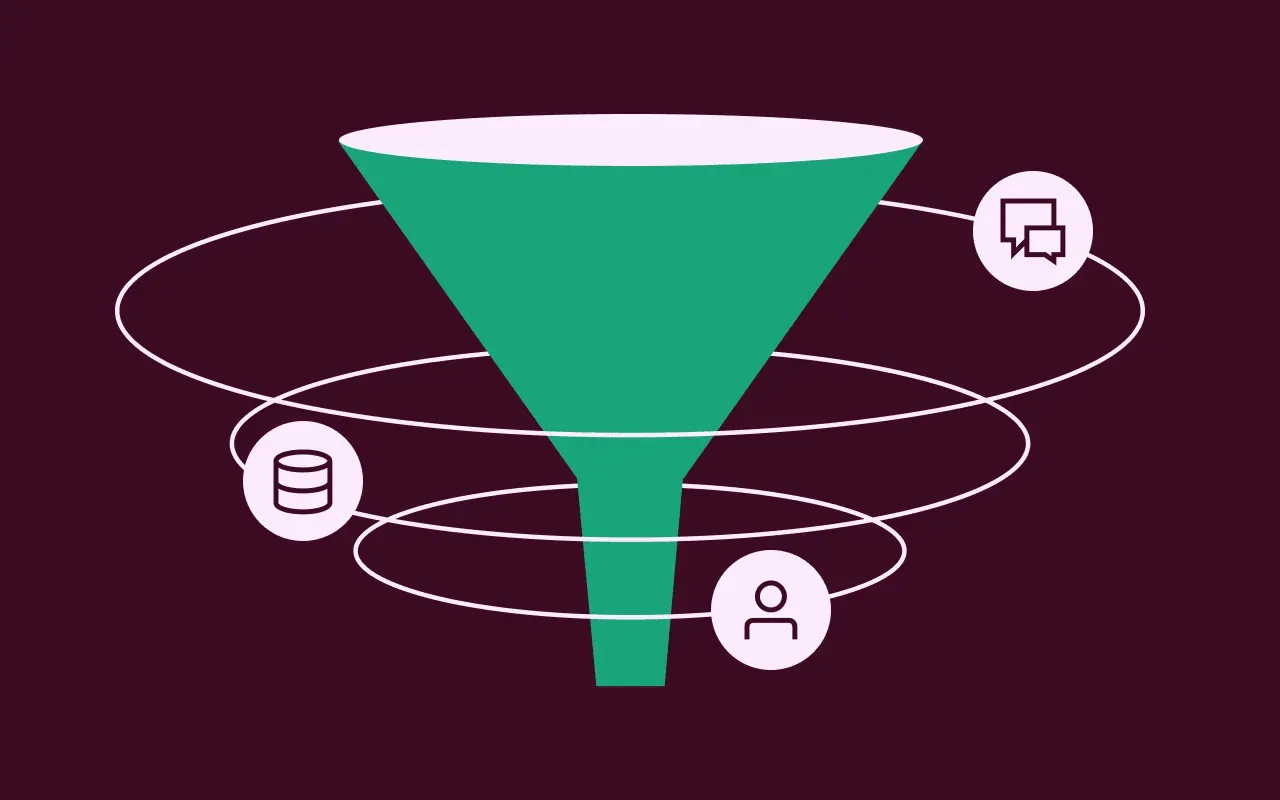
No-shows are one of the biggest silent drains on a restaurant’s performance. A full reservation list means nothing if several tables sit empty because guests didn’t arrive or didn’t bother to cancel. That lost cover is gone for good. Staff time goes to waste. Planning becomes guesswork instead of strategy.
Deskadora brings a practical solution to this with bookings, deposits, and automated confirmation rules that remove uncertainty and protect revenue
Why No-Shows Actually Happen
There are three common reasons:
1. Forgetfulness or last-minute changes
People book early. Plans change. Someone forgets. Without reminders or a commitment, there is little motivation to cancel.
2. No financial responsibility
If a reservation costs nothing to secure, many treat it as low priority. Some even book multiple venues for the same evening, deciding later which one to keep.
3. External issues
Bad weather, traffic jams, illness. These things happen. The guest might have a valid reason. The result is the same for the restaurant. Empty seats and lost turnover.
How Deposits Change Guest Behaviour
Deposits are simple but effective. Asking guests to secure a booking with a small amount changes everything.
Not by force. By commitment.
Here is what naturally happens:
- Guests stop booking casually.
- Duplicate bookings disappear.
- People remember what they paid for.
- The business is protected when someone genuinely cannot attend.
Deskadora lets each venue decide its own deposit rules. Refundable. Partially refundable. Time-restricted. Non-refundable. Whatever matches the style of the restaurant.
How Deskadora’s Deposit Buffer Works
Deskadora adds an extra protection layer with a deposit buffer.
This is a timed window that keeps the booking pending until the guest completes payment.
Here is how it works
1. The guest books a table.
2. Deskadora sends a secure payment link instantly.
3. The guest has up to 12 hours to pay the deposit.
4. If payment is not completed, the booking cancels automatically and frees the table.
This system cleans the booking list without manual work.
It also helps you:
- Avoid soft or unreliable reservations.
- Keep your table inventory accurate.
- Improve planning and staff scheduling.
- Reduce last-minute surprises.
Automation That Saves Time
Deskadora handles the full process for you.
- Sends reminders.
- Tracks deadlines.
- Cancels unpaid bookings.
- Updates availability in real time.
- Applies your refund rules automatically.
- Shows detailed stats on no-shows, cancellations, and deposit success.
Your team can focus on service instead of chasing guests.
Predictable Bookings Build Stronger Operations
Once no-shows are under control, everything becomes easier.
Staffing is clearer. Prep work matches expected covers. Revenue forecasting improves. Guests experience a smoother reservation process, and you regain control over your evening service.
Deskadora turns reservations into something reliable instead of risky.
Summary
No-shows are not simply a hospitality problem. They are a business problem.
Deskadora gives restaurants a fair, simple and smart way to reduce them through deposits, payment buffers, and full booking automation.
Your tables stay filled by guests who actually plan to be there.
Your team stays focused.
Your service becomes predictable.
This is what good technology should do. Help you run the restaurant you want without fighting the issues you shouldn’t have in the first place.
Related articles

Should your restaurant take reservations over WhatsApp?
WhatsApp adoption varies sharply across Europe, but for many guests it is the only app they already have open. What to check before switching bookings on there.
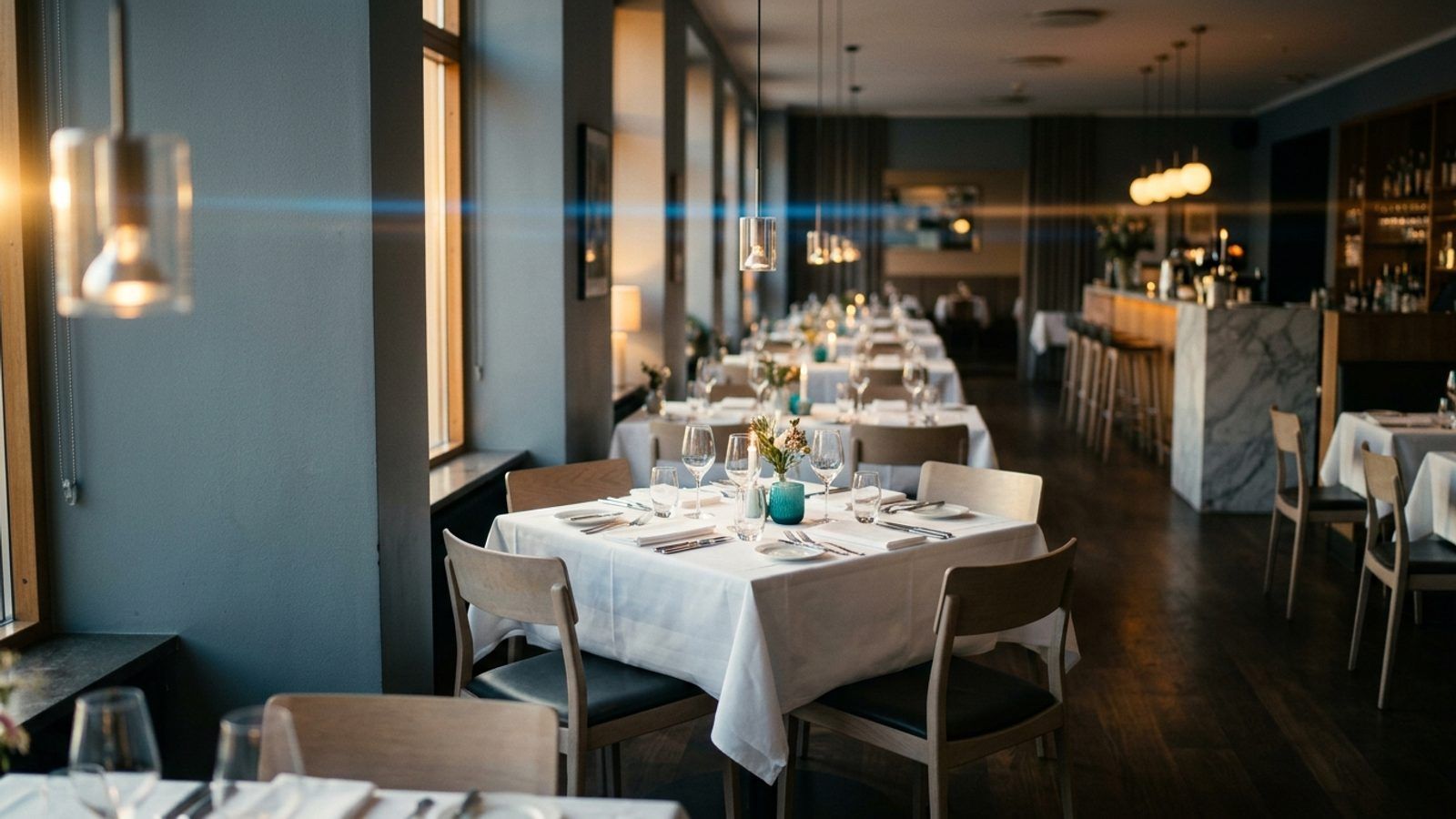
How many systems does it take to seat one table?
Most restaurants run more software than they realise, and the cost lands on staff attention. How to audit your stack before the autumn season.
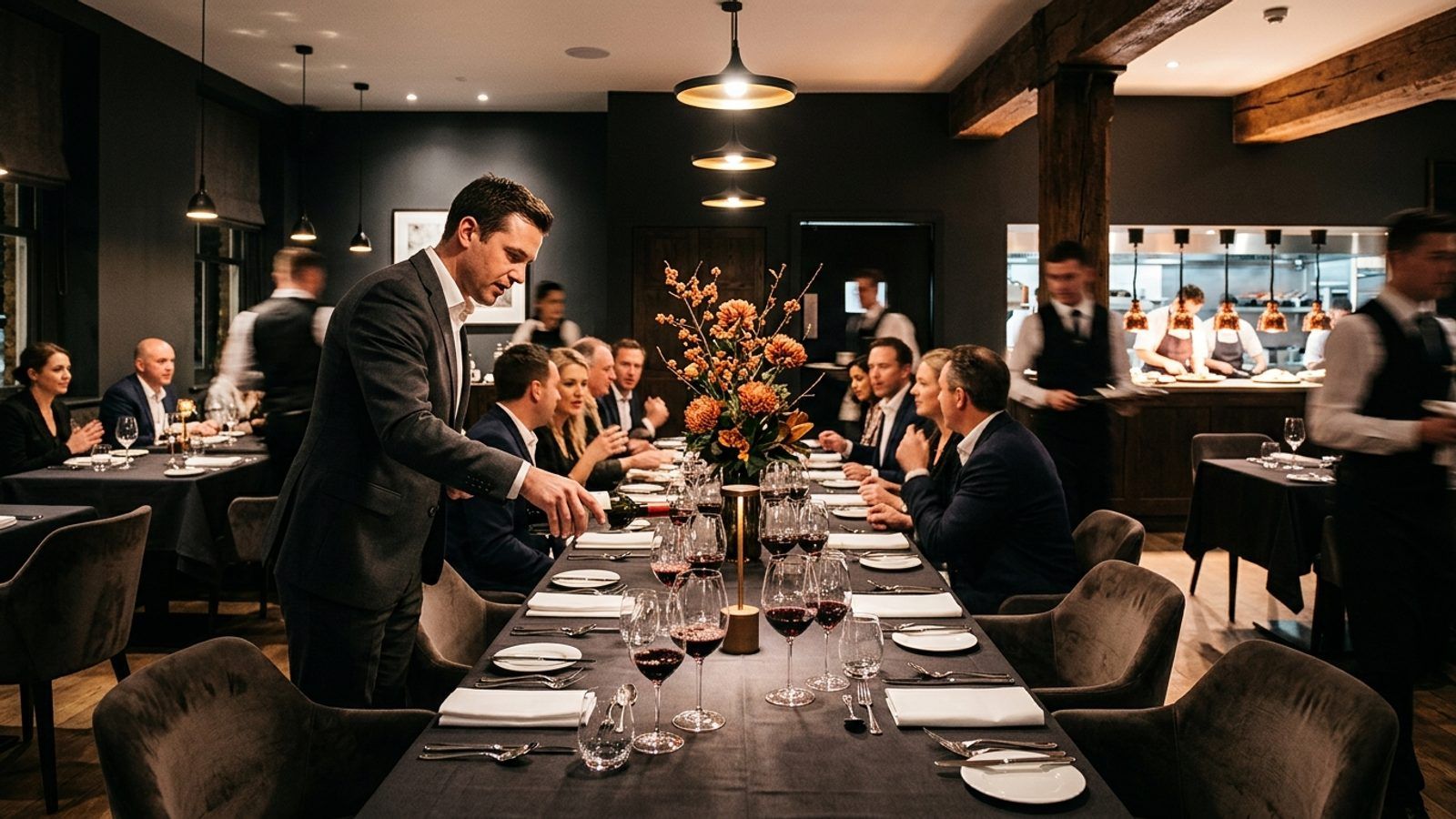
How do you take group bookings without losing the evening?
Group bookings are the most resilient demand of 2026, and the most fragile. How to take large parties without long phone calls or an empty room.
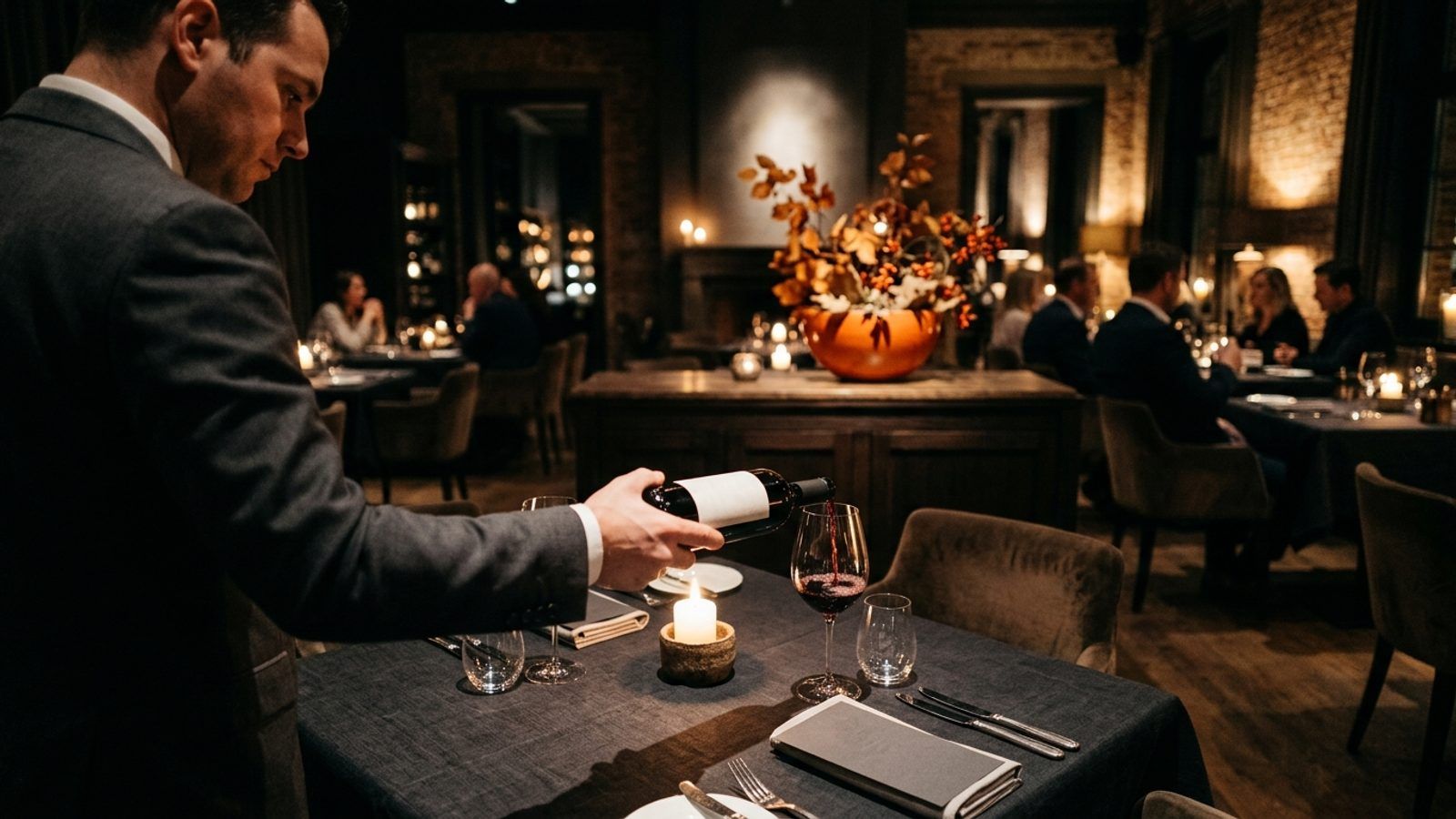
How do you turn summer guests into autumn regulars?
Full terraces now, quiet tables in September. How to turn this summer's one-time guests into autumn regulars before the season slips away.
How do you win the last-minute diner this summer?
Summer 2026 diners are booking later than ever. How to capture last-minute restaurant bookings, from same-day tables to spontaneous groups.