How do you plan staff and stock when guests book later?
Guests book later and turn up less predictably. A simple pickup log, one flexible shift and firmer bookings let you set the rota and the prep with less guesswork.

Amelia Cooper
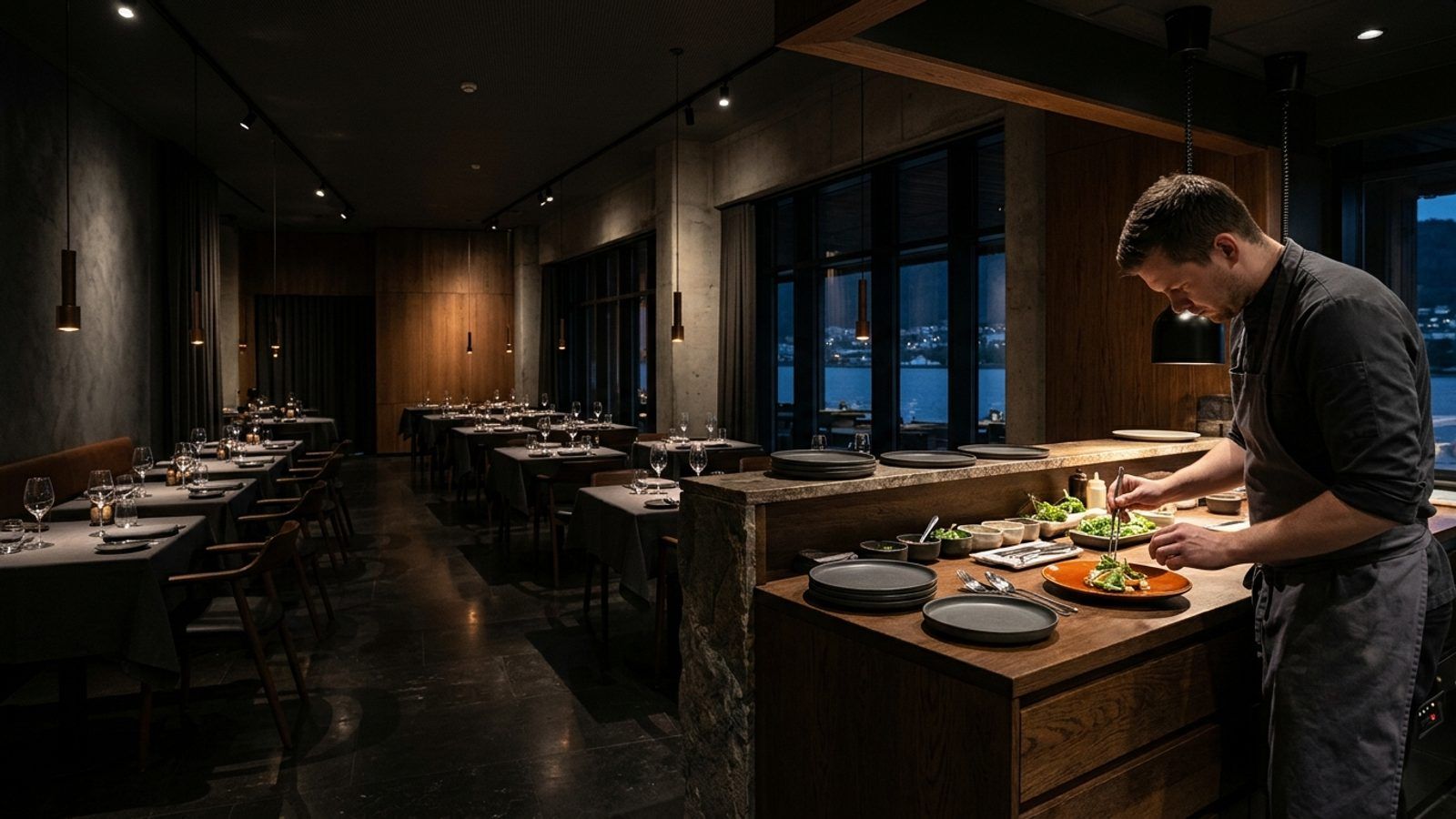
On Monday morning the owner has to commit three things before knowing how many guests will arrive: the week's rota, the fish and meat order, and Friday's prep list. In 2026 that guess has become harder, and the cost of getting it wrong is no longer hidden behind a busy summer.
What has changed about when guests book?
The French hotel and restaurant federation Umih surveyed 1,300 professionals between 27 and 31 August 2026. It found that 63.7% reported lower revenue over July and August than in 2025. Guests still go out, but they spend less per visit, with fewer drinks and desserts and more shared dishes. The federation also notes that bookings arrive later and attendance is more irregular, which it says complicates staffing, purchasing and scheduling. Raw materials, energy and payroll keep rising while spending falls, a squeeze the Umih calls an "effet de ciseaux".
These are the federation's own survey results, so treat them as a signal from the trade rather than an independent measurement. They match what many owners already see: the week looks quiet on Monday and fills on Thursday.
What does a wrong guess actually cost?
Two kinds of error cost money, and they are not equal. Over-staffing a service that turns out quiet means paying for hours that earn nothing. Under-staffing one that turns out full means slower tables, tired staff and guests who do not return. Over-ordering costs product that may be thrown away. Under-ordering means a dish crossed off the board at 20:00.
When margins are thin, the answer is not to guess more carefully on Monday. It is to move each decision as close to the service as the business allows, and to base it on evidence rather than on feel.
How do you build a forecast from bookings you already have?
You need one habit and four weeks of patience. For each service, write down the number of covers booked seven days, three days and one day ahead, then the covers you actually served. A notebook or a spreadsheet is enough.
After four weeks you will see a pattern. Perhaps a Friday dinner is typically 40% booked a week ahead, 70% booked three days ahead, and finishes 30% above what was booked, because walk-ins and late calls fill the rest. That gap is your pickup. It tells you, on Monday, how many covers to expect on Friday with a reasonable range, and it improves every week you keep the log.
Keep a separate line for weather, local events and school holidays. In France the rhythm of the year (rentrée, ponts, Christmas parties) changes the pattern, so compare like with like.
Which staffing decisions can wait, and which cannot?
Split the rota into three layers.
The fixed core. The team you need for any service, however quiet. Set it a week or more ahead.
One flexible shift per service. An extra server or a runner whose attendance you confirm 48 hours ahead, based on the pickup log. Agree this in advance with part-time staff, and check the notice periods in their contracts and in your collective agreement before you ask for changes at short notice.
The reserve. One or two people who have said they are available if the book fills late. Offer them first call on extra hours, so being flexible earns something.
The same logic applies to stock. Order the base for the week, then top up fresh items on the day you can see the book. A shorter, well-chosen menu on the quietest nights also reduces the amount you have to guess.
How do you protect the forecast from no-shows?
A forecast is only as firm as the bookings behind it. Reminders sent before the booking, and a deposit on larger parties or peak evenings, turn a vague intention into a commitment. Once you know that most booked covers will show, you can staff to the book with more confidence and save the margin for the days that really need it.
How Deskadora helps
Deskadora does not predict your covers for you. It gives you the records the forecast is built from, in one place. The booking widget on your own website captures reservations with party size and time. On the plans that include it, the AI voice agent answers calls during service and adds late phone bookings to the same book, so the late demand is visible rather than lost.
The dashboard shows today's arrivals, the weekly trend and the no-show picture, and peak-hours analytics show which services fill and when. The staff schedule lets you build shifts and assign tables to them, so the rota and the floor plan are made from the same information. Configurable deposits make bookings on busy dates firmer. Reservations, scheduling and deposits are part of the paid plans, while the QR menu is free and unlimited.
If this is the week you want to try it, keep the pickup log for four weeks first. Then put the booking widget on your website and compare a month of data with your notebook. A free account at deskadora.com is enough to set up your menu and see how it feels.
FAQ
How far ahead should a restaurant set its staff rota?
Set the fixed core a week or more ahead, and keep one flexible shift that you confirm 48 hours before service, based on how full the book is. Check the notice rules in your contracts and your collective agreement.
What is a pickup log?
It is a record of how many covers were booked at set points before a service, such as seven, three and one day ahead, next to the covers you actually served. After a few weeks it shows how late bookings usually arrive for each night of the week.
Can I forecast covers with a free account?
You can keep the log by hand with any account. Deskadora's reservations, scheduling and analytics are part of the paid plans, and the free plan covers the unlimited QR menu.
Related articles
Is your lunch service ready for the meal-voucher vote?
France is voting on supermarket use of meal vouchers. Whatever the result, weekday lunch is won on certainty. Four fixes to make before the winter.

Should your restaurant take reservations over WhatsApp?
WhatsApp adoption varies sharply across Europe, but for many guests it is the only app they already have open. What to check before switching bookings on there.
How many systems does it take to seat one table?
Most restaurants run more software than they realise, and the cost lands on staff attention. How to audit your stack before the autumn season.
How do you take group bookings without losing the evening?
Group bookings are the most resilient demand of 2026, and the most fragile. How to take large parties without long phone calls or an empty room.
How do you turn summer guests into autumn regulars?
Full terraces now, quiet tables in September. How to turn this summer's one-time guests into autumn regulars before the season slips away.