How do you turn summer guests into autumn regulars?
Full terraces now, quiet tables in September. How to turn this summer's one-time guests into autumn regulars before the season slips away.

Amelia Cooper
Content Manager
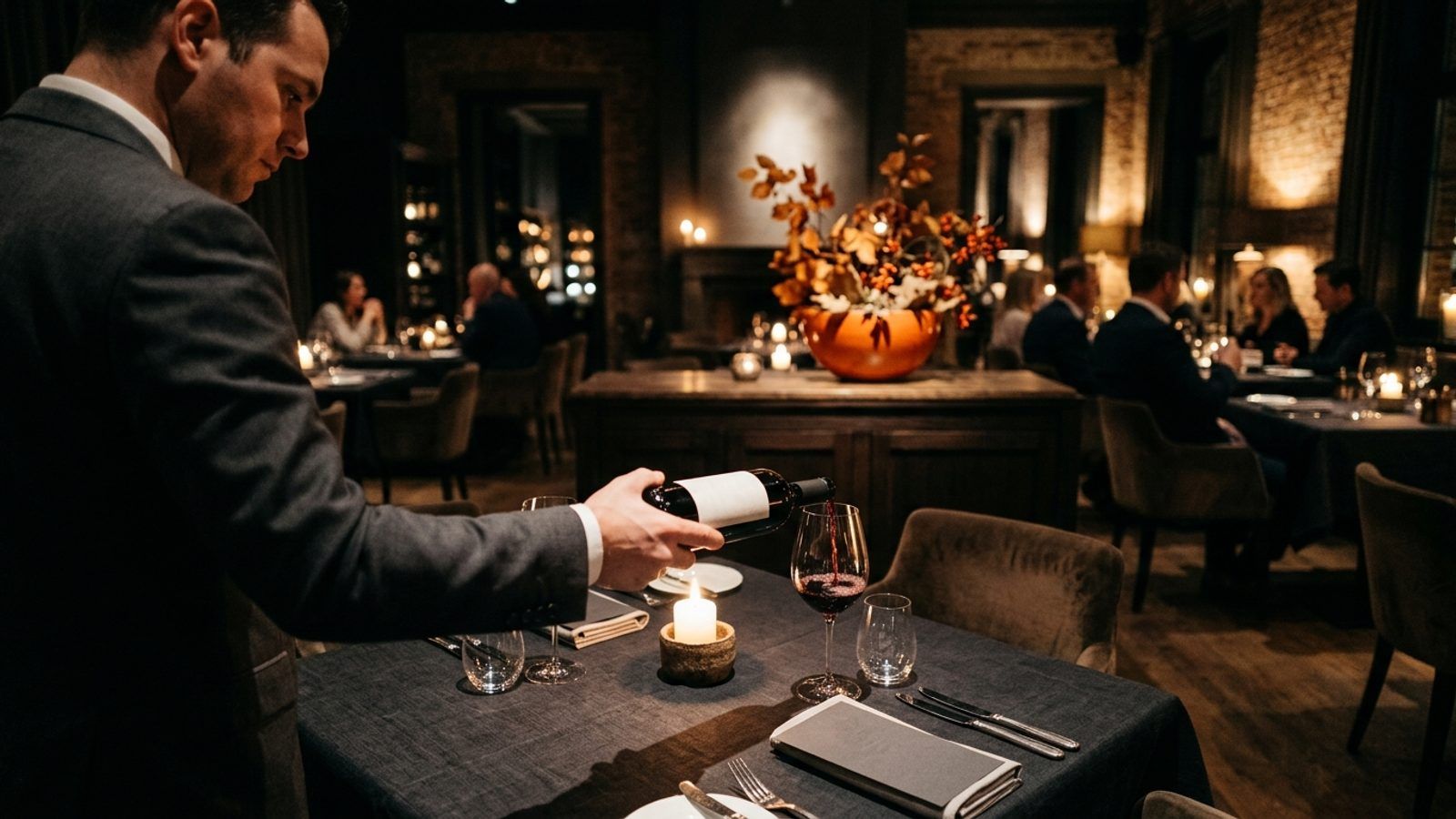
Late July is the point in the season when the question changes. The terraces are full, service runs long, and the team is stretched. The harder question is what happens in six weeks, when the visitors go home and the booking sheet goes quiet. The French pattern repeats every year. Trade press coverage of recent seasons describes busy summers with mixed results, and a rentree where footfall steadies at a lower level, carried largely by the return of local guests. The restaurants that eat well in October are the ones local diners already know and think of first.
That is the prize hiding inside the summer rush. Every full service between now and the end of August is more than revenue. It is the largest audience your restaurant will see all year, and most of it will walk out the door anonymous unless you decide otherwise.
Why is guest loyalty harder to keep in 2026?
Habit is doing less of the work. Retention research published by Tillster this year found that 45% of diners have switched their favourite restaurants in 2026, up from 33% a year earlier. Guests follow relevance and convenience, not routine. Industry data from Bloom Intelligence, drawn from US restaurants, puts the share of guests who never return to a venue above three quarters, while a guest who becomes a regular is worth many times a one-time visitor over the life of the relationship.
For a seasonal market the arithmetic is stark. A restaurant in Nice or Biarritz can serve more first-time guests in eight weeks of summer than in the other ten months combined. If nearly all of them remain strangers, the value of the season ends with the season. If even a modest share return once in the autumn, or book again next year without going through a marketplace, the summer keeps paying long after the parasols are folded.
What makes the summer rush your best chance to build a guest list?
Because the guests are already in the room. Winning a new guest in October means advertising to strangers and hoping. Keeping a July guest means recording a relationship that already exists, which costs almost nothing at the moment it happens and is nearly impossible to reconstruct afterwards.
Think about what one busy week produces. Dozens of phone bookings. Walk-ins who waited twenty minutes because they wanted your terrace specifically. A note about a shellfish allergy. A family who came twice in five days. A couple who mentioned an anniversary. In most restaurants, all of it evaporates at close. Paper booking sheets are binned, phone numbers are never written down, and the memory of who sat where leaves when the season staff do.
The difference between a restaurant that starts September with a guest list and one that starts it empty is rarely effort. It is whether the tools used during service keep the information by default.
How do you capture guest details without slowing down service?
The wrong answer is more admin. Nobody has time in August to type spreadsheet entries between covers, and any method that relies on asking staff to do one more thing during a rush will not survive the rush.
The workable answer is to let the booking channels do the collecting. A direct online booking arrives with a name and contact details attached, given by the guest with their consent as part of confirming the table. A phone booking is where most restaurants leak: the number is heard, the name is scribbled, and neither is kept. If the phone is answered by a voice agent that writes the booking into the same system as everything else, the detail is captured without anyone stopping to do it, including for calls that come after closing or in the middle of service.
Two habits complete the picture. First, note things once. An allergy or a preference recorded against a guest at the moment it is mentioned stays available for every future visit. Second, keep it lawful and light. Under GDPR, details collected through a booking come with clear purposes and a simple opt-in for hearing from you later. A guest list built this way is smaller than a bought database and worth incomparably more.
What should you do with the list when September comes?
Not a blanket discount. The rentree guest is not looking for cheap; they are re-forming routines and deciding which places belong in them.
Split the list along one simple line: guests who live near you and guests who were passing through. A couple from Lyon who dined with you on holiday will not come on a Tuesday in October, but a message before their next summer, when they are choosing where to return, lands well. A local, on the other hand, is exactly who carries the arriere-saison, and trade reporting on recent autumns confirms it is returning local guests who keep dining rooms alive once the visitors leave.
Give locals a concrete reason tied to the calendar: the new autumn menu, the first game dishes, a dish returning by request. Keep it short, send it early in September when routines are forming, and send it to people who have actually eaten with you. Industry analyses consistently find that restaurants sending scheduled, segmented messages to their own guests see meaningfully more repeat visits than those relying on occasional manual outreach, and none of it requires discounting.
How Deskadora helps
Deskadora is built around the idea that the guest relationship belongs to the restaurant. The booking widget takes direct reservations on your own site with no per-cover fees, so every summer booking adds a guest record that is yours rather than a marketplace's. The AI voice agent answers the phone during service and after hours, takes the booking, and writes it into the same book, which is precisely where the busiest weeks leak the most guests. Each booking builds a profile in the guest CRM: visit history, notes, and labels such as local, regular, or allergy, added once and kept. When September arrives, you can segment the list in a few clicks, locals separated from summer visitors, and invite each group back with a short campaign rather than a broadcast. And because the free QR menu publishes structured, multilingual pages, the guests who search for you again in the autumn actually find you.
If you want the covers you are serving this summer to still count in October, that is what the platform is for. The menu is free to start with, and a demo of the rest takes twenty minutes.
FAQ
Should I start collecting guest details now or wait until the season ends?
Now. The information exists only at the moment of service: the booking, the allergy mentioned at the table, the second visit in a week. None of it can be reconstructed in September. Restaurants that switch their booking channels on in July start the autumn with a list; those that wait start with a blank page.
Do guests mind sharing their details?
Not when it happens as part of booking a table, which guests already expect. The details confirm their reservation, and a clear opt-in lets them choose whether to hear from you afterwards. What guests dislike is irrelevant mail, so the rule is simple: few messages, each with a concrete reason to visit.
What is a realistic result for the first autumn?
Modest and compounding. Even a small share of summer guests returning once outperforms acquiring the same number of strangers, because the visit costs no commission and no discount. The list also grows every service, so each season starts further ahead than the last.
Start Today with Deskadora
Give your guests a smoother visit from the moment they book. Register now to see how Deskadora simplifies reservations, manages no-shows, and helps your team stay organised. Bring clear table management, smart scheduling, and guest insights into one place. Offer a better experience without adding extra pressure on staff.