Is your drinks list ready for Dry January?
Millions of French diners now pause alcohol in January. How to plan an alcohol-free drinks offer that keeps the table full and the bill healthy.

Amelia Cooper
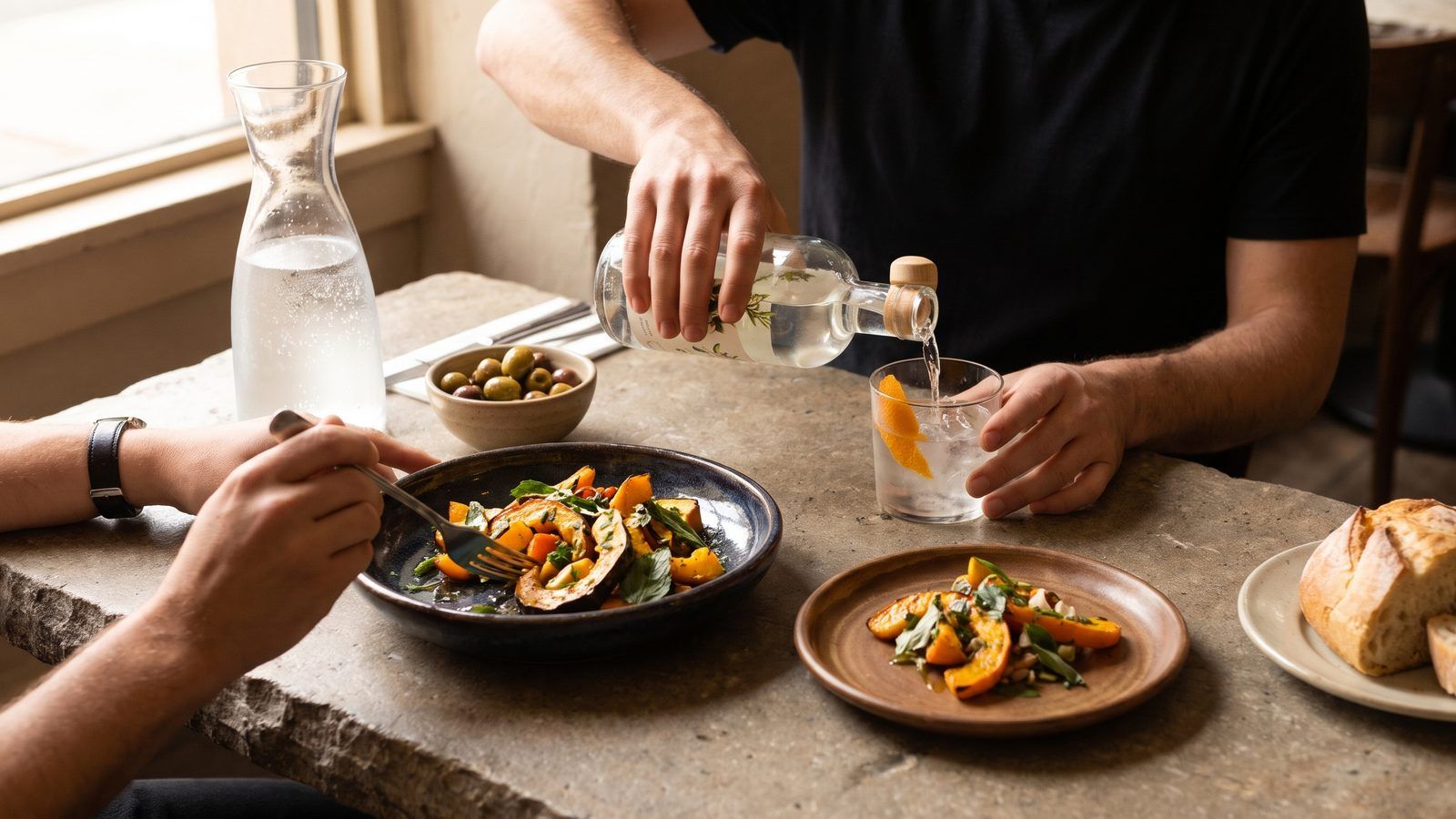
Every January, the same thing happens in dining rooms across France. The bookings are there, the guests sit down, and when the drinks list arrives a good number of them order a tap water and leave the rest of the card closed. For a restaurant that relies on wine and aperitifs to make the evening pay, that is a quiet but real hole in the month.
Dry January, or the Défi de Janvier as it is called here, is no longer a niche habit. The question for a restaurant owner is not whether some guests will skip alcohol in January 2027, but what you will put in front of them when they do. Late November is the right time to decide, before the festive rush leaves no room for it.
How many French diners actually skip alcohol in January?
More than most owners assume. A Toluna Harris Interactive survey carried out at the end of January 2026, with 1,026 adults representative of the French population, found that 29% of people who drink alcohol took part in the challenge in some form, close to 10 million people. Some stopped completely for the month, others cut down significantly.
The effect shows up in spending. Transaction data from the French bank Green-Got, reported by Time Out Paris, showed bar and alcohol spending falling by 20% nationally in January 2025 compared with the last months of 2024, by 28% in Paris and by 27% in the Alpes-Maritimes. Part of that drop is simply the hangover from December, so the figure overstates the effect of the challenge on its own. Still, the direction is clear, and the same analysis showed spending climbing again once the month was over.
So the guests do not disappear. They come out, they eat, and they change what they drink for four weeks.
Why does a weak alcohol-free offer cost you more than a drink?
Because the guest who skips alcohol does not order something cheaper instead. Too often they order nothing. If the only alternatives on the card are a cola, a juice and sparkling water, a table of four can easily spend twenty or thirty euros less on drinks than the same table in October.
There is a second, less visible cost. A guest who is not drinking chooses where to go with that in mind. When a group is deciding between two places for a January birthday dinner, the one that has something interesting for the person who is not drinking often wins the booking. A YouGov study published in February 2026 found that French participants mostly turn to juice during the challenge, which says as much about what is usually on offer as about what guests want.
The UK is a few years ahead on this. An audit of 100 London venues carried out in February 2026 by the research firm KAM, commissioned by an alcohol-free drinks brand, found that 70% now stock alcohol-free spirits, up from 47% in 2024. It also found that venues still list around three times as many alcoholic cocktails as alcohol-free ones, and that staff were sometimes unaware the alcohol-free options existed at all. Stocking the bottle is the easy part. Selling it is where most venues fall short.
What should an alcohol-free drinks list include?
You do not need a separate bar programme. You need a short, considered list that a guest can read in ten seconds and order from without asking awkward questions.
Three or four drinks made in the house
A house-made drink costs little in ingredients and carries a proper price: a shrub with seasonal citrus, a cold infusion of verbena or rosemary, a spritz built on an alcohol-free aperitif. One drink with a local touch, such as a citrus or herb from the region, gives the server a story to tell.
Something that goes with the food
Guests who skip wine still want something that works with a main course. A good kombucha, a dry alcohol-free sparkling wine, a tea served cold, or a verjus-based drink can play the role of a glass of wine. If you offer a wine pairing on a tasting menu, offer a short alcohol-free pairing alongside it at a fair price.
Clear information
Say plainly what each drink is. "Alcohol-free" and "low alcohol" are not the same thing, and a guest avoiding alcohol completely needs to know whether a drink is 0.0% or 0.5%. Show the strength where you can, and do not hide the alcohol-free drinks at the bottom of the soft drinks section.
A price that makes sense
Price the house-made drinks like cocktails, not like soft drinks, but keep them below your alcoholic cocktails. Guests are generally willing to pay for something that has clearly been made for them.
How do you make sure guests and staff actually notice it?
A good list that nobody reads changes nothing. A few simple steps make the difference.
- Put it where the eye lands. On the drinks card, give the alcohol-free drinks their own short section near the top, not a line under the waters.
- Brief the team before the first of January. Every server should be able to describe two of the drinks in one sentence each, and suggest one without being asked when a guest declines wine.
- Mention it when guests book. A line in your confirmation message or on your booking page, saying that you have an alcohol-free list in January, reassures the guest who is hesitating.
- Make it findable online. Guests search for "alcohol-free cocktails" with the name of a town. Your drinks list should exist as text on your menu page, not only on a chalkboard.
- Look at the numbers on the first of February. Compare drinks spend per cover in January with the previous January. Keep what sold and drop what did not.
How does Deskadora help?
Deskadora's QR menu is free and unlimited, and it treats drinks as a real part of the card. You can create drink categories, and each drink can carry its volume and its alcohol strength, so a 0.0% aperitif is clearly marked as such on the guest's phone. Adding a January section, changing a price or removing a drink that does not sell takes a minute, with nothing to reprint.
The menu is translated into twelve languages, so visitors read the alcohol-free list as easily as locals, and any corrections you make yourself are kept. Every venue also gets a public menu page that search engines and AI assistants can read, so a guest searching for alcohol-free drinks in your area has a chance of finding yours. Basic menu-scan analytics show how often your menu is opened, which helps you see whether January traffic holds up.
On paid plans, the booking widget and confirmation messages let you tell guests about the January list before they arrive.
What is a sensible next step?
Before the festive season takes over, choose three or four alcohol-free drinks, test them with the team, and write them into your menu with a clear section and honest strength information. If your current menu is a PDF or a printed card, you can create a free Deskadora QR menu in an afternoon and have the January list ready to switch on.
FAQ
Is Dry January big enough in France to change a restaurant's January?
For many venues, yes. A survey at the end of January 2026 found that 29% of French adults who drink took part in some form, and bank transaction data showed a clear fall in bar spending that month. The effect varies by area and by clientele, so compare your own January drinks spend with previous years.
Should alcohol-free drinks be cheaper than cocktails?
Usually a little, but not priced like soft drinks. A house-made drink involves the same skill and time as a cocktail, and guests generally accept a fair price for something made with care.
What is the difference between alcohol-free and low alcohol?
In practice, alcohol-free drinks contain at most a trace of alcohol, often shown as 0.0% or up to 0.5%, while low-alcohol drinks contain more. Rules and labelling differ by product type, so show the strength on your menu and let guests decide.
Related articles
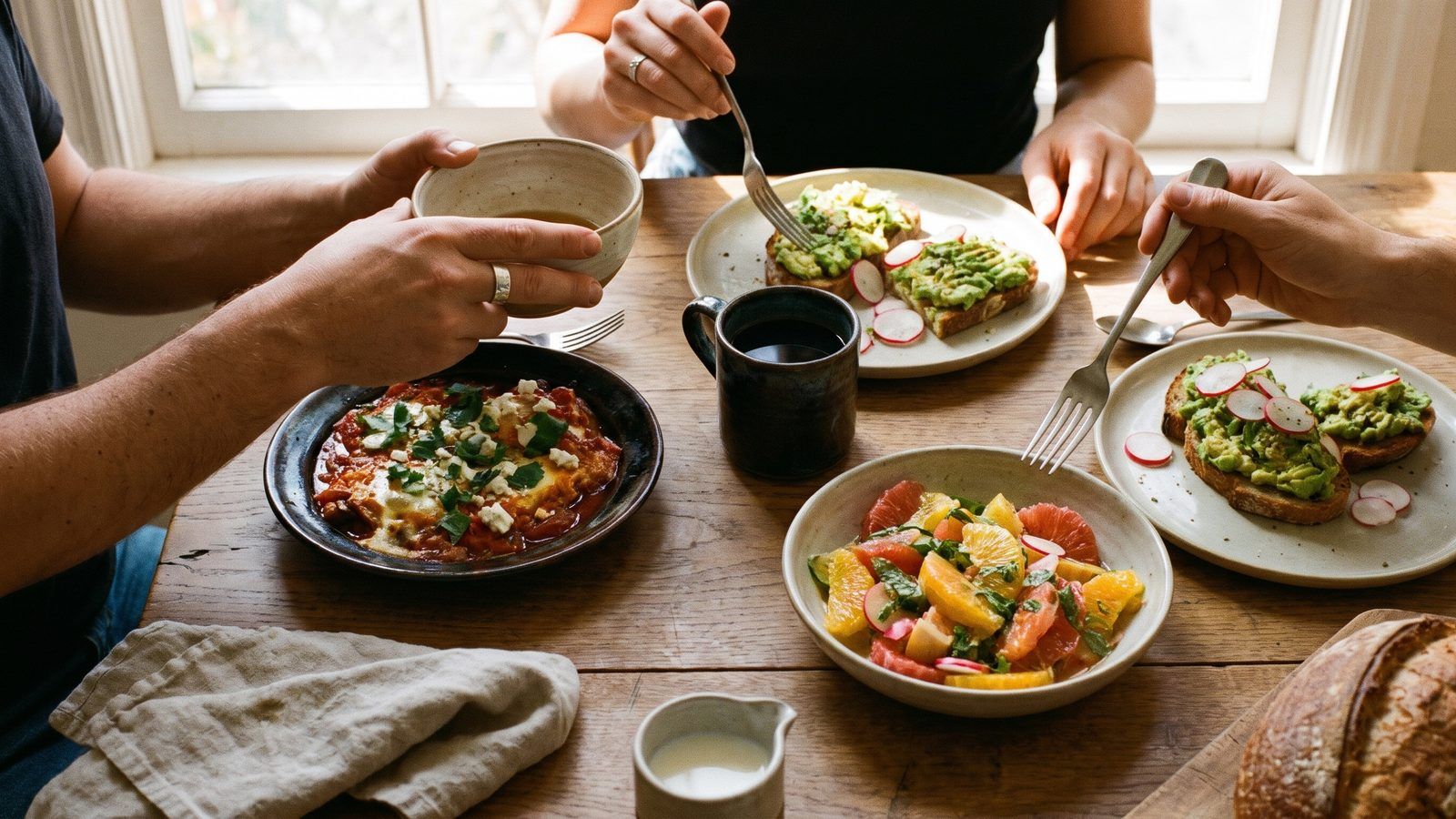
What does AI search say about your restaurant?
Google's AI Mode reached France in July 2026. What AI assistants read when a guest asks where to eat, and how to make your menu easy for them to quote.
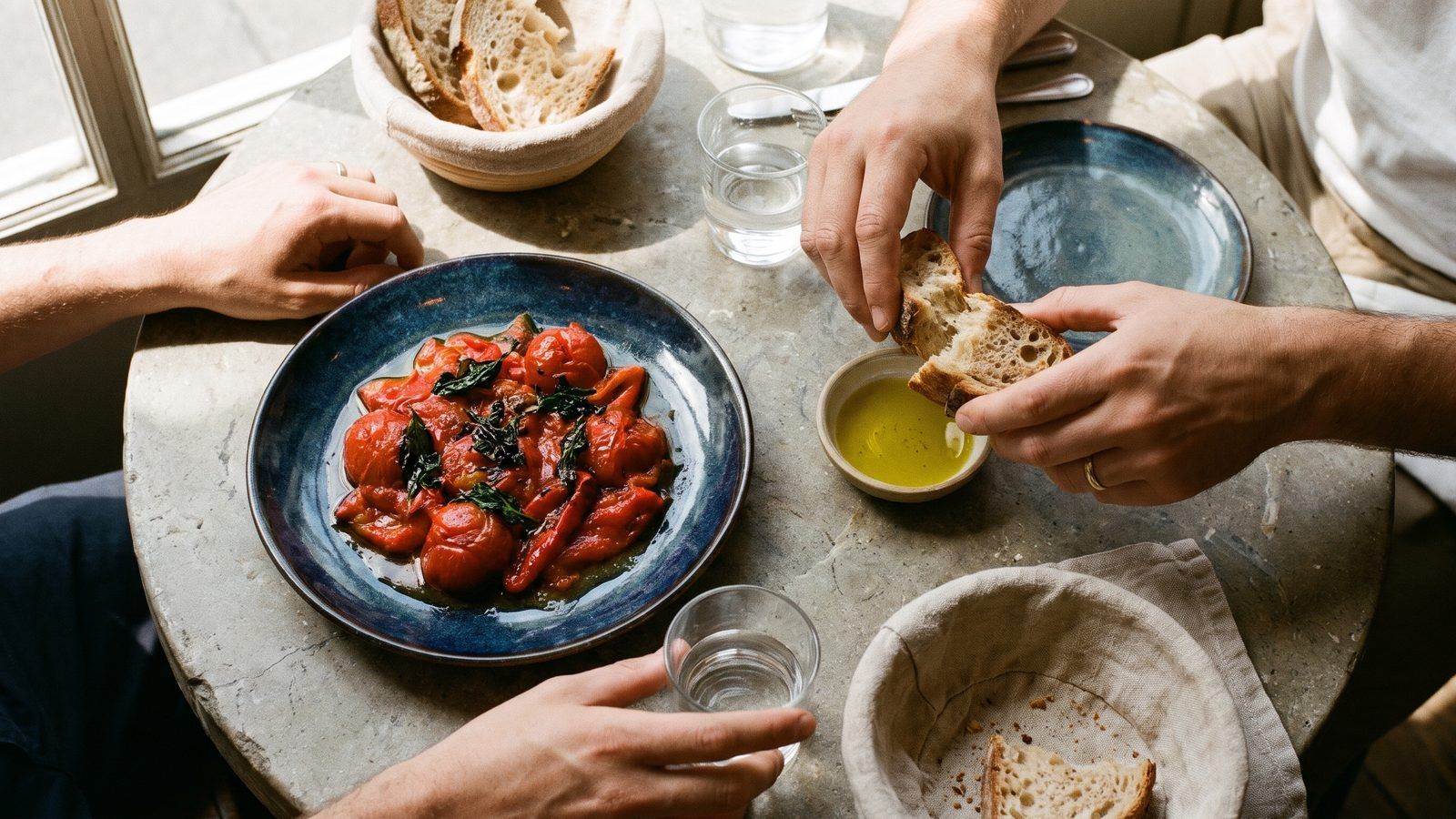
Who fills the table when a guest cancels at six o'clock?
Late cancellations outnumber no-shows more than three to one in a large 2026 dataset. Here is how to get a released table back into use before service.
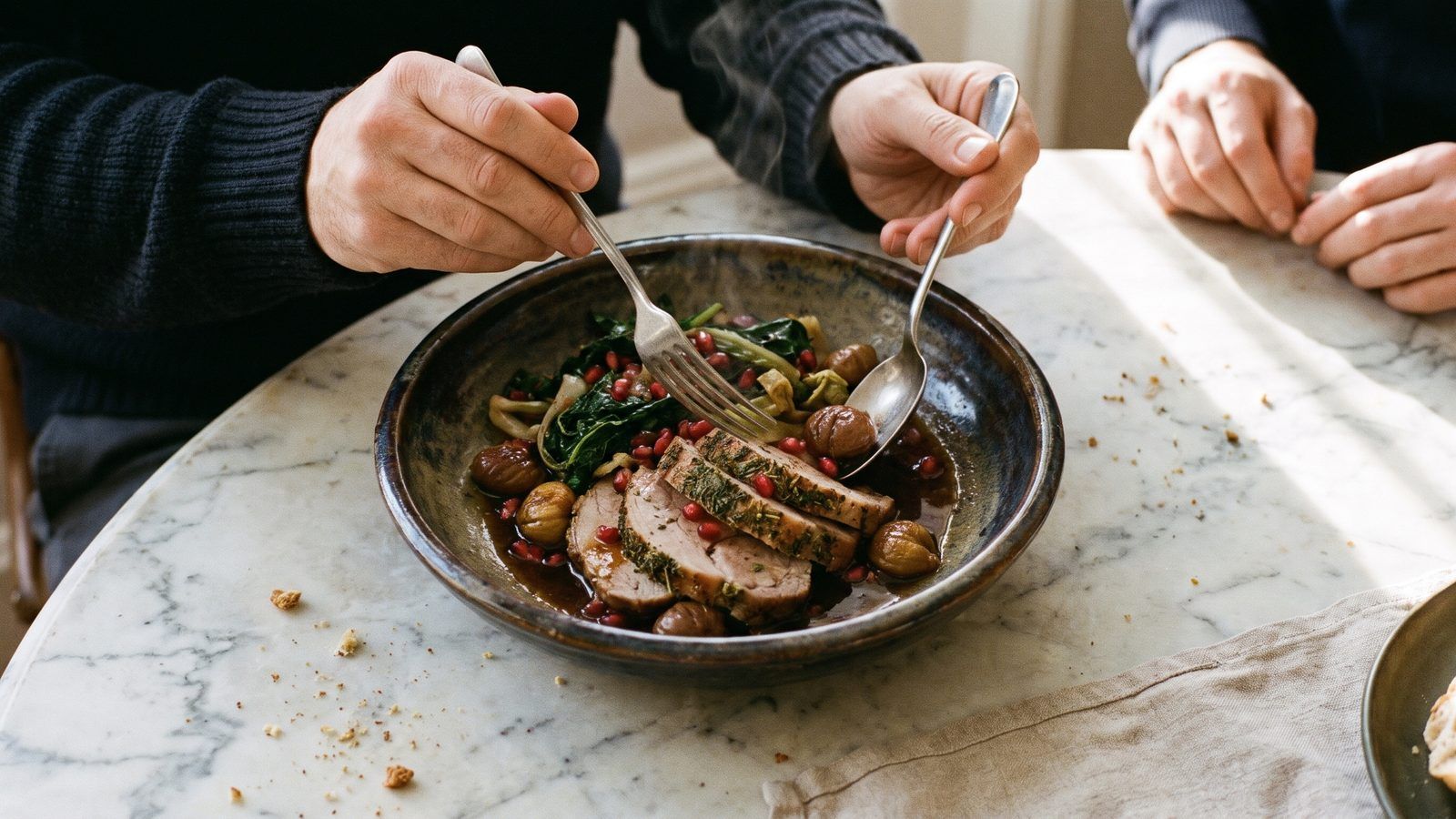
Are your festive opening hours right everywhere guests look?
Between Christmas and 2 January, guests check hours before they book. Here is how to keep Google, your website and your phone saying the same thing.
Should you ask for a deposit on New Year's Eve?
New Year's Eve is the night an empty chair costs most. Here is when a deposit makes sense, how to set it fairly and how to resell tables that fall through.
How do you plan staff and stock when guests book later?
Guests book later and turn up less predictably. A simple pickup log, one flexible shift and firmer bookings let you set the rota and the prep with less guesswork.