How do you win the last-minute diner this summer?
Summer 2026 diners are booking later than ever. How to capture last-minute restaurant bookings, from same-day tables to spontaneous groups.

Amelia Cooper
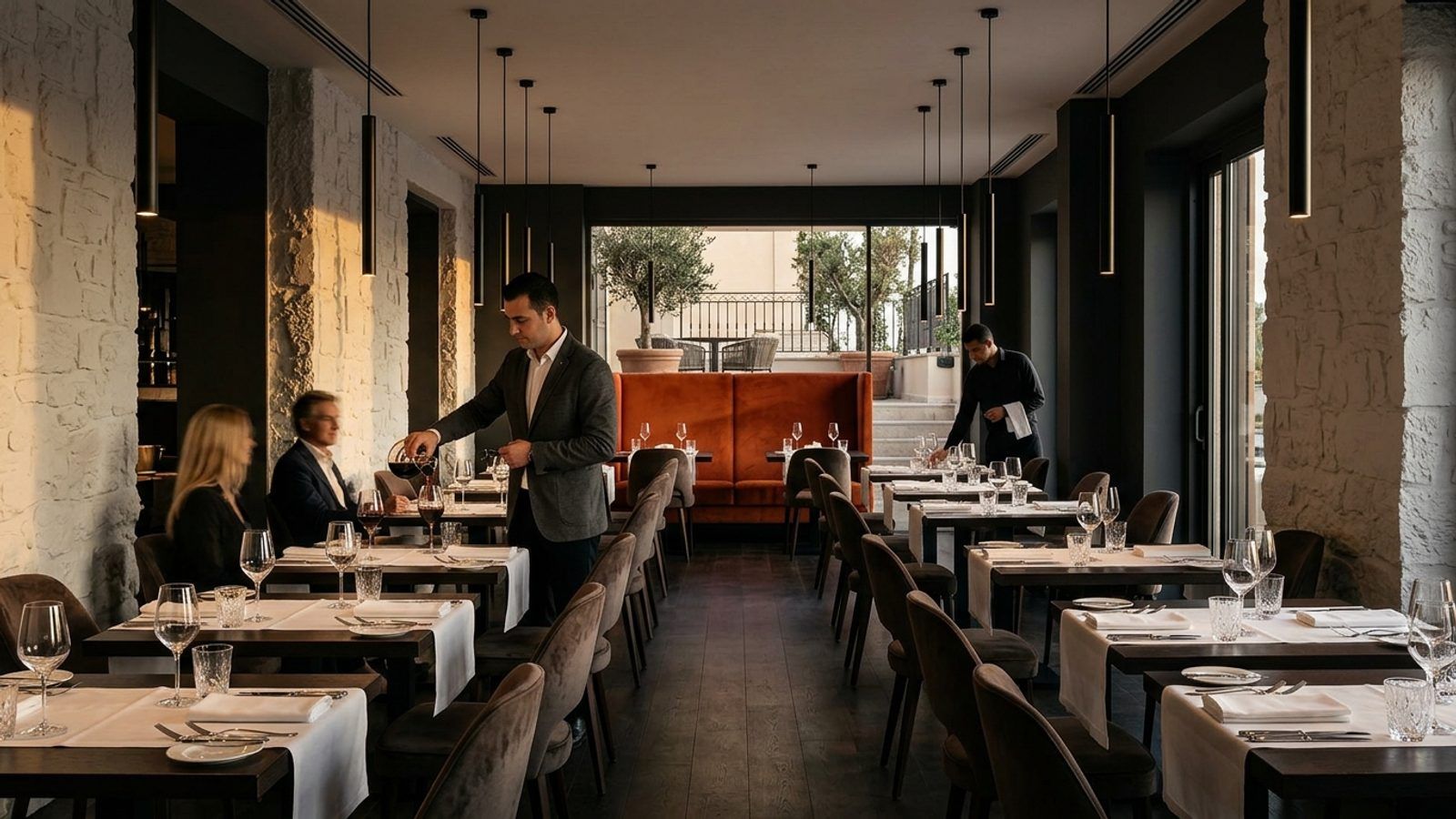
Ask anyone in French tourism how summer 2026 is shaping up and you will hear the same word: late. The season is busy, but it is being decided at the last minute. In early July, the channel manager elloha estimated that around a third of summer stays had still not been booked. Sojern's data shows travellers securing flights early to dodge rising air fares, then holding off on everything else. The European Travel Commission counts 81% of Europeans planning a trip before November, four points more than last year, yet bookings in May and June arrived well behind the usual rhythm.
The visitors are coming. They are simply deciding later, and that changes how a restaurant fills its book.
Why are diners deciding so late this summer?
Three forces are compressing the booking window. The first is budget. BPCE's new tourism observatory, published on 1 July, found price is the top constraint for 65% of French travellers, and 59% have picked a closer destination to cut transport costs. A traveller watching every euro postpones commitments and compares options up to the last moment.
The second is the weather. Around 76% of Europeans now say they adapt their plans to the climate, avoiding heatwave zones or chasing cooler air. When a heat spike can move a family from the coast to the hills mid-week, dinner plans move with it. The French coastline has slipped six points in departure intentions this year while the mountains gained five, a redistribution that shows how quickly demand now shifts.
The third is the news itself. With 68% of French travellers saying the international context weighs on their plans, people keep their options open. None of this means an empty season. It means a season where a large share of your covers will be decided the same week, often the same day, they are eaten.
What does a late-deciding guest mean for your restaurant?
It changes where the battle for the table happens. A guest who booked their holiday three months ago might have researched restaurants in advance. A guest who confirmed their stay on Tuesday is standing on a promenade at 17:30 on Friday, phone in hand, choosing somewhere for tonight.
That moment has hard requirements. Your restaurant has to appear when they search, in a language they read, with a menu they can actually see. They need to know, not guess, that a table is free. And they need to secure it in under a minute, because the next restaurant is one thumb-swipe away. A voicemail message, a menu that only exists as a PDF photographed in poor light, or a booking that requires waiting for an email reply all translate the same way: the guest books elsewhere.
Late demand is also fragile demand. Same-day plans are made quickly and unmade quickly, so a booking policy built for last-minute guests has to balance ease of booking with protection for the restaurant.
How do you make your restaurant bookable at the moment of decision?
Start by being visible where the decision happens. For most travellers that is still a search engine, which 62% use to prepare a trip, and increasingly an AI assistant for younger guests. What both need is the same thing: structured, current, multilingual menu and venue pages they can read and cite. If your menu lives only in a PDF or an Instagram post, the machines that late deciders consult cannot read it, and neither can a German family scanning options in the shade.
Then remove every step between "found you" and "booked you". Direct online booking with live availability does the heavy lifting: the guest sees real free slots, picks one, and gets an instant confirmation. No form that promises a reply, no double-booking risk for your team: a cover that walked in from a search result lands straight on your own timeline. For a spontaneous guest, instant certainty is the product.
Finally, think about the hours when late demand arrives. A decision made at 22:00 for tomorrow's lunch cannot wait for your morning shift. Around-the-clock booking is not a luxury in a last-minute season; it is where the extra covers live.
What about the guests who still pick up the phone?
Same-day guests phone more than planners do, precisely because they want certainty now. The call comes at the worst time, mid-service, when the team is plating and the phone rings out. Every unanswered ring in July is plausibly a table of four choosing the restaurant next door.
This is where an AI voice agent earns its place: it answers every call, checks the live book, takes the booking or politely offers alternatives, and hands over to staff when a call needs a human. The point is not replacing hospitality. It is making sure a busy Friday service does not silently turn away the very demand this summer is built on.
For larger spontaneous groups, pair ease with protection. A small deposit on bookings above a certain size keeps the low-commitment energy of a last-minute plan from becoming a ten-seat no-show at 21:00.
How Deskadora helps
Deskadora was built in Nice, so the last-minute summer is not a theory for us; it is the view from the office. The free tier gives any restaurant an unlimited multilingual QR menu with public, search-friendly menu pages, so late deciders and the AI assistants they consult can actually find and read you, in twelve languages. On the paid side, the booking widget shows live availability and confirms instantly around the clock, the AI voice agent answers the phone during service and after hours, and deposits can be applied only where risk justifies them, such as large same-day groups. Bookings, whether from the widget or the phone, land in one book on your own timeline, so a strong July stays yours.
If your summer is filling later than it used to, take ten minutes to test how bookable you are at 22:00 on a Friday. If the answer is "not very", a demo of Deskadora is a good next step.
Frequently asked questions
Are last-minute bookings really worth chasing, or are they just churn?
They are worth chasing. With roughly a third of summer stays unsold going into July 2026, late demand is where this season's growth sits. The churn risk is real but manageable: instant confirmations reduce accidental double bookings, and targeted deposits on larger parties filter out the least committed plans without adding friction for couples.
Do I need to discount to attract same-day diners?
No. Late deciders in 2026 are value-conscious, not bargain-hunting; BPCE found them favouring clear, fairly priced offers over the cheapest option. What converts them is certainty: visible availability, a readable menu in their language, and instant confirmation. Save discounts for nights that need them.
How do I show up when a tourist searches "restaurant near me" tonight?
Make sure your menu and venue exist as structured web pages, not just a PDF or a social profile. Search engines and AI assistants both need machine-readable, up-to-date content, ideally in the languages your visitors speak. Public menu pages with structured data, like the ones Deskadora generates, are what these systems read and recommend.
Related articles
How do you plan staff and stock when guests book later?
Guests book later and turn up less predictably. A simple pickup log, one flexible shift and firmer bookings let you set the rota and the prep with less guesswork.
Is your lunch service ready for the meal-voucher vote?
France is voting on supermarket use of meal vouchers. Whatever the result, weekday lunch is won on certainty. Four fixes to make before the winter.
Should your restaurant take reservations over WhatsApp?
WhatsApp adoption varies sharply across Europe, but for many guests it is the only app they already have open. What to check before switching bookings on there.
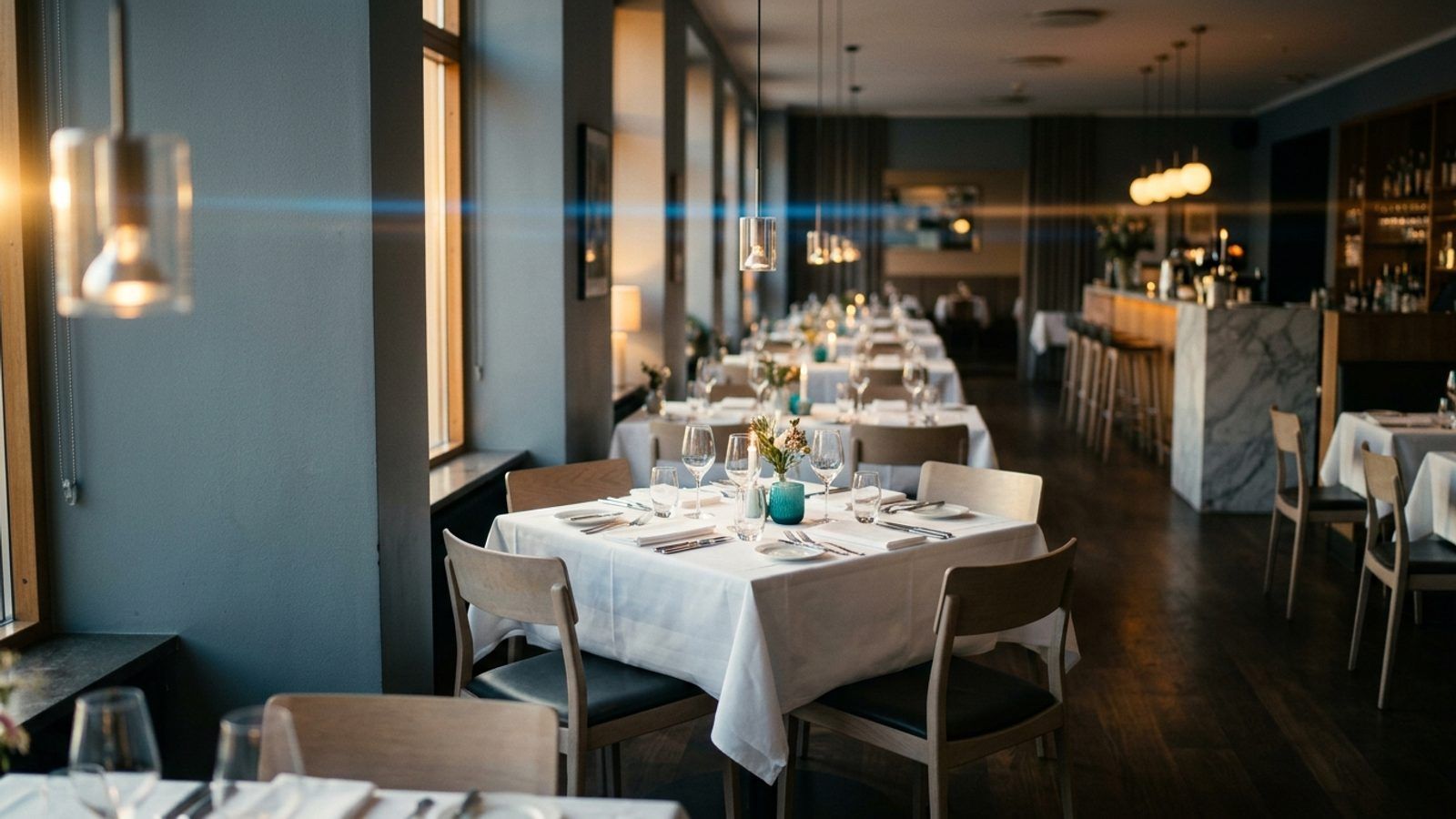
How many systems does it take to seat one table?
Most restaurants run more software than they realise, and the cost lands on staff attention. How to audit your stack before the autumn season.
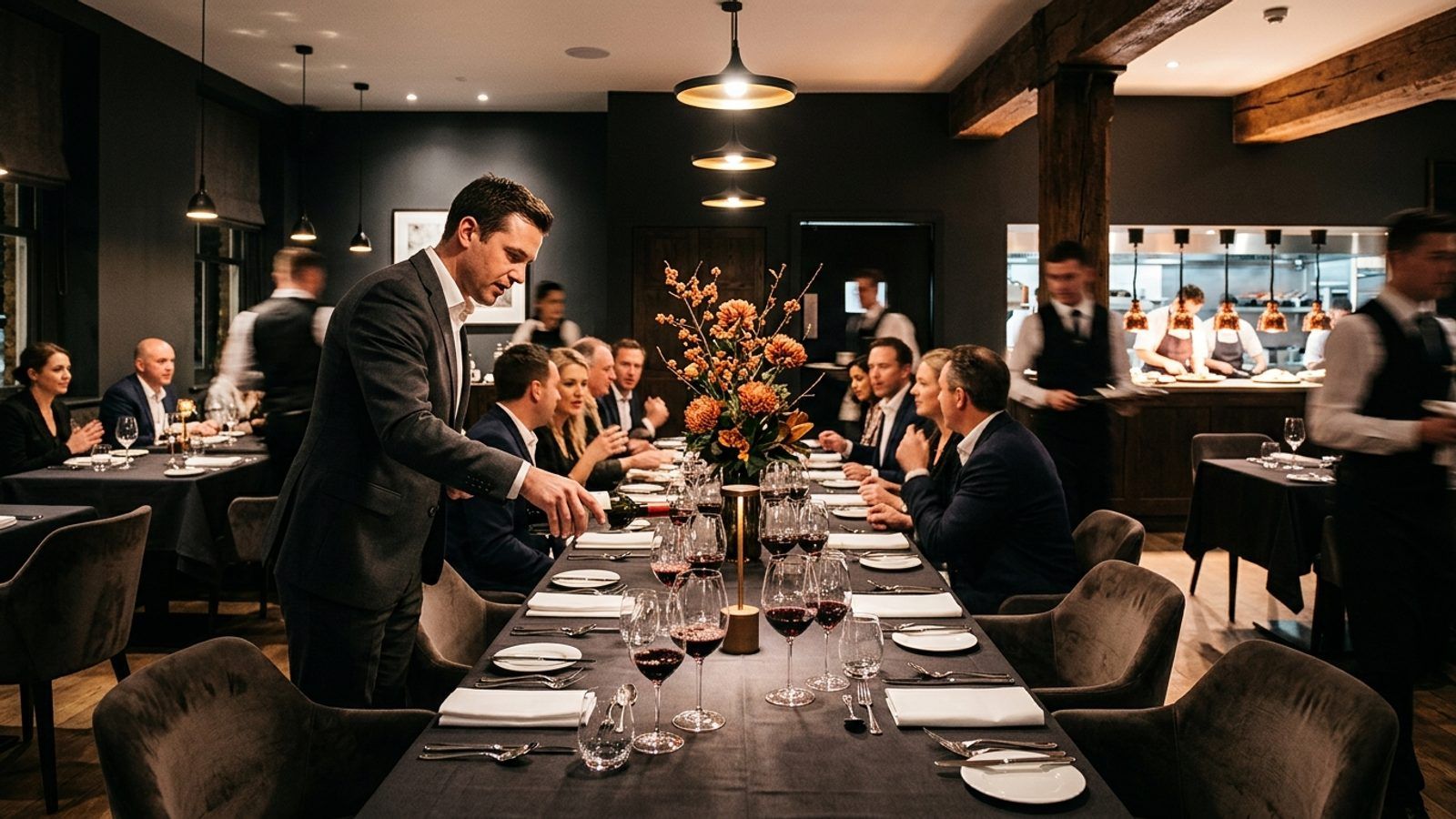
How do you take group bookings without losing the evening?
Group bookings are the most resilient demand of 2026, and the most fragile. How to take large parties without long phone calls or an empty room.