Which dishes on your menu are actually making you money?
Ingredient costs are squeezing restaurant margins. How menu engineering shows which dishes earn their place, and how to act on it without reprint costs.

Amelia Cooper
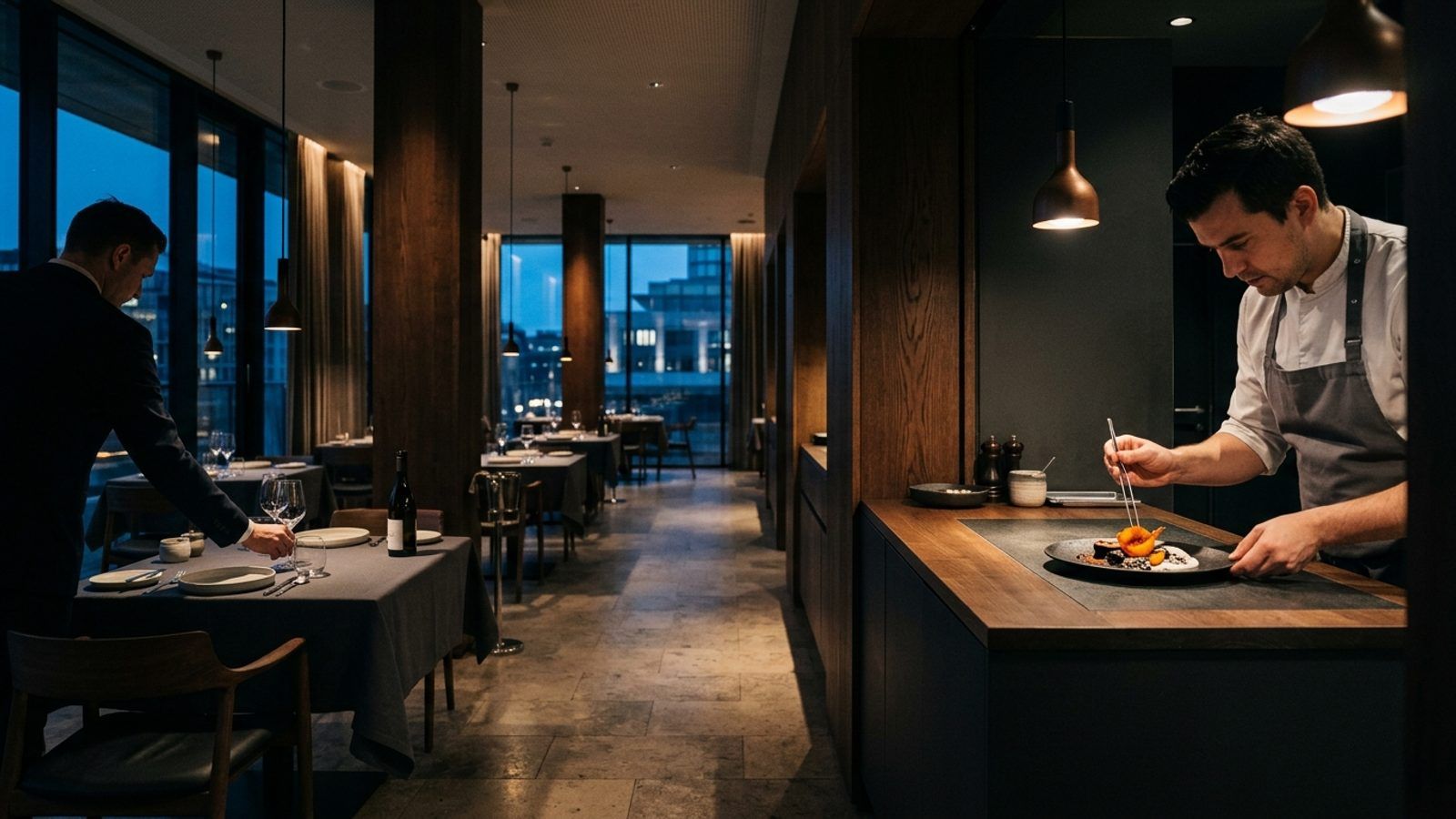
Mid-August is when many restaurateurs start sketching the autumn carte, and this year the sketching happens under pressure. In France, cost rather than demand is the story of 2026: sector analyses counted 997 insolvencies in traditional restaurants in the second quarter alone, up more than 6% on a year earlier, and around two thirds of restaurateurs say they have pulled dishes from the menu because certain ingredients simply cost too much. Pulling a dish because the invoice hurts is menu engineering of a rough sort. Done with numbers instead of instinct, the same exercise can quietly add margin to every service without a general price rise, and the weeks before the rentrée are the right moment to do it.
What is menu engineering, and why does it matter more in 2026?
Menu engineering is an old discipline with a plain idea at its centre: every dish on the carte should be judged on two things at once, how often it sells and how much it actually contributes after ingredients. Cross the two and each dish lands in one of four boxes. Popular and profitable dishes are your stars. Popular but thin-margin dishes fill the room without filling the till. Profitable dishes that rarely sell are puzzles. Dishes that are neither are passengers, and every carte carries a few.
Two things have changed since this framework was invented for laminated menus in the 1980s. The first is the arithmetic. Ingredient costs in France have risen far faster than the average bill since 2021, and the gap has come straight out of margins; industry benchmarks now put raw materials at roughly a third of revenue for a traditional restaurant. When margins were comfortable, a lazy dish could ride along unexamined. At today's margins it is a leak.
The second change is the metric itself. The old habit was to steer by food-cost percentage and treat anything above 30% as a problem. The more useful question is contribution in euros: a dish with a 35% food cost that leaves twelve euros on the table after ingredients is doing more for your evening than a virtuous 22% dish that leaves four. Percentages feed pride; euros pay rent.
How do you work out which dishes earn their place?
You do not need consultants or new software, you need your till data and a quiet afternoon. Take the last four to eight weeks of sales. For each dish, write down two numbers: how many you sold, and the contribution per plate, meaning menu price minus what the ingredients cost you today, not what they cost when the dish was created. Recipe costs drift, and a dish costed in 2024 is a work of fiction in 2026.
Then sort. For each of the four boxes there is a standard move, and none of them is a blanket price rise.
Your stars need protection, not tinkering. Keep them prominent, keep their quality consistent, and never discount them; they are the dishes guests already choose at full price. The popular thin-margin dishes are where careful work pays: re-cost the recipe, look at portion size and the expensive garnish nobody would miss, consider a modest price adjustment on that dish alone. Because these dishes sell in volume, fifty centimes of extra contribution multiplies fast. The puzzles, profitable but overlooked, usually have a presentation problem rather than a cooking problem: rename them, give them an honest appetising description, a photo, a better position on the menu, or let a server recommend them for a week and see what happens. The passengers you retire, and late August is the natural moment, because a dish leaving the carte "for the season" offends nobody.
One caution: resist the urge to solve margin pressure with an across-the-board increase. Guests notice a menu where every line moved at once, and in a year when diners are watching their spending, the quiet dish-by-dish approach both protects covers and works better.
Why does the paper menu slow all this down?
Here is the part that rarely makes it into menu-engineering guides: the analysis is the cheap half. Acting on it is where restaurants stall, because with a printed carte every action has a print bill attached. Adjust three prices, reword two descriptions, retire one dish, and you are reprinting the menu. In a tourist town you may be reprinting it in three or four languages. So changes get saved up and made once or twice a year, the costings drift out of date between editions, and the till data you studied in August is ancient history by the time the new carte arrives.
The test cycle matters as much as the cost. Menu engineering works best as a loop: change one thing, watch a fortnight of sales, adjust again. A printed menu makes each turn of that loop cost money and lead time, so in practice the loop never turns. A digital menu makes the turn free. Nudge one price on Tuesday, look at what a fortnight of sales says, and either keep it or put it back. Nobody batches changes for the printer any more; the menu simply stays true.
How Deskadora helps
Deskadora's QR digital menu is free without limits, menus, categories, items, photos and languages all uncapped, so the acting-on-it half of menu engineering stops costing anything. Reprice a dish, rewrite a description, add a photo to a puzzle dish you want noticed, or retire a passenger, and the change is live on the guest's phone the moment you save it. Translations into all the menu's languages are handled automatically, and any wording you have corrected by hand stays as you wrote it, so a price change never means redoing twelve versions of the carte.
The menu's scan analytics add context your till cannot see: when guests open the menu, in which languages, and from which QR codes, so you know whether the German translation matters this season and which services bring the browsing. Pair that with your till's sales figures and the four-box analysis above, and you have a menu you can steer weekly instead of yearly. The same menu pages are structured so search engines and AI assistants read them properly, which means the carte people find online is the one you updated this morning, not a PDF from last spring.
If the free menu is all you need, it stays free. If you want the rest of the platform, reservations, deposits, the AI voice agent, a twenty-minute demo covers it.
FAQ
How often should I review dish profitability?
Each season at a minimum, and in a year like 2026 a monthly look is not excessive. The heavy version, re-costing every recipe, belongs to the seasonal review; the light version, a glance at your ten best sellers and their current ingredient costs, takes half an hour a month. With a digital menu the cost of acting on what you find is zero, so the cadence can follow the data rather than the printer.
Is it better to raise prices or cut portions?
Neither is a rule. The four-box analysis tells you where each lever fits: a busy thin-margin dish can often stand a small targeted price adjustment, while trimming an expensive garnish that guests do not value is honest cost work, not stinginess. What erodes trust is shrinking a portion while pretending nothing changed on a dish guests know well. Change openly, dish by dish, and watch the sales response.
What if my till does not export sales data?
Count by hand for a fortnight. A sheet in the kitchen listing your fifteen most common dishes, with a tally per service, is enough to separate stars from passengers. The classification does not need decimal places; it needs honesty about what sells and what a plate really costs you today.
Related articles

Should your restaurant take reservations over WhatsApp?
WhatsApp adoption varies sharply across Europe, but for many guests it is the only app they already have open. What to check before switching bookings on there.
How many systems does it take to seat one table?
Most restaurants run more software than they realise, and the cost lands on staff attention. How to audit your stack before the autumn season.
How do you take group bookings without losing the evening?
Group bookings are the most resilient demand of 2026, and the most fragile. How to take large parties without long phone calls or an empty room.
How do you turn summer guests into autumn regulars?
Full terraces now, quiet tables in September. How to turn this summer's one-time guests into autumn regulars before the season slips away.
How do you win the last-minute diner this summer?
Summer 2026 diners are booking later than ever. How to capture last-minute restaurant bookings, from same-day tables to spontaneous groups.