Does your restaurant's AI now have to say it is an AI?
From 2 August 2026, EU rules require AI that talks to guests to say so. What the AI Act changes for restaurant phone assistants and chatbots, in plain terms.

Amelia Cooper
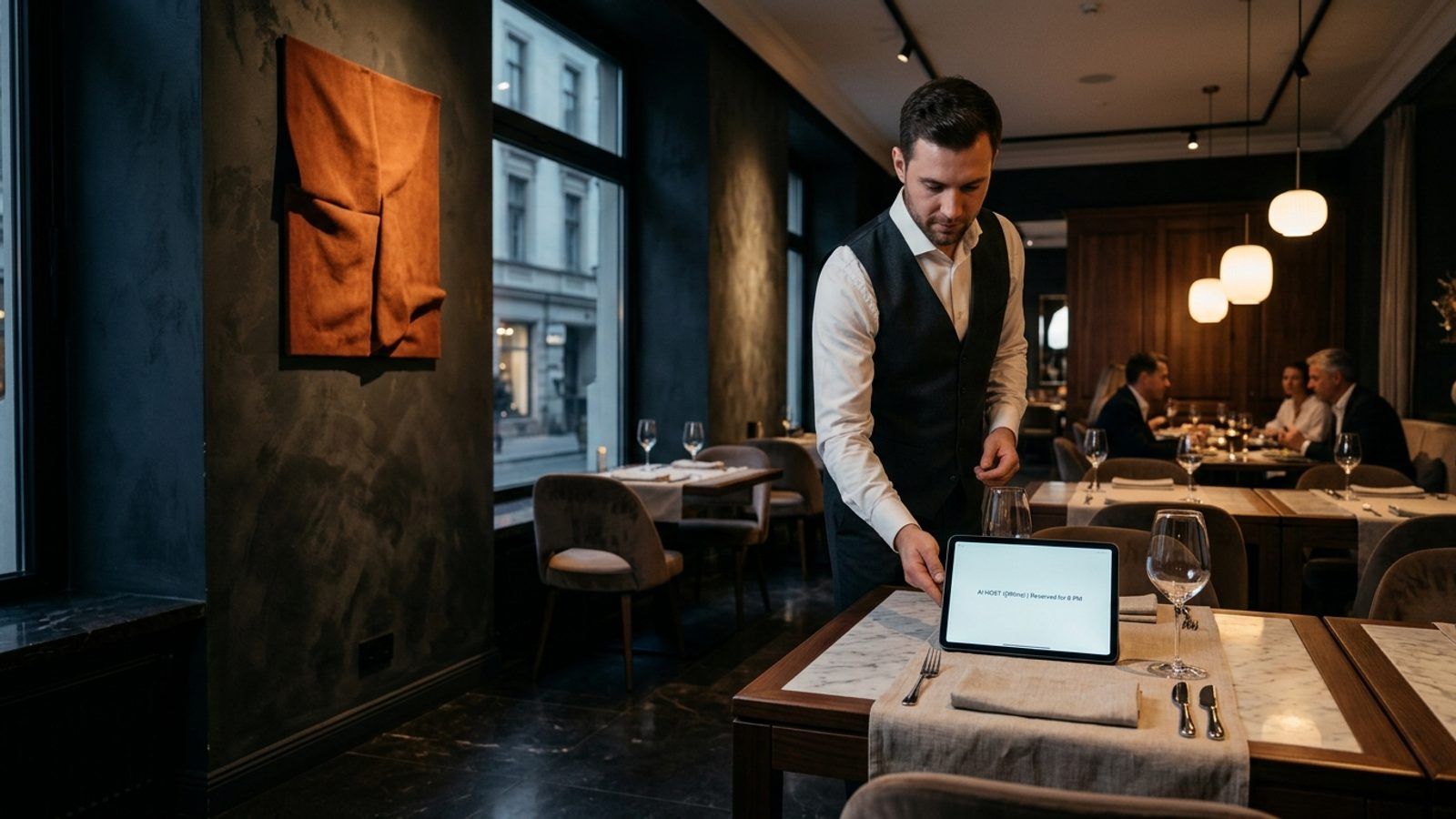
On 2 August 2026, a new layer of the EU's Artificial Intelligence Act became applicable across the Union. Among the rules now in force is Article 50, the one that matters for hospitality: an AI system that interacts directly with people must be designed so those people know they are dealing with a machine. Restaurants were never the target of this law. They are covered by it all the same, because a booking chatbot on a website and a voice assistant answering the phone are precisely the kind of systems it describes.
If your restaurant uses either, or is considering it, here is what the new rules ask, what they do not, and how to check your setup in an afternoon. This is general information in plain terms, not legal advice.
What do the new EU rules actually say?
The AI Act entered into force in August 2024 and applies in stages. The stage that arrived on 2 August 2026 brings, among other things, the transparency obligations of Article 50. The core of it is simple: when an AI system interacts directly with a person, that person must be informed they are talking to AI, unless it is already obvious from the context to a reasonably well-informed person. The information must come at the latest at the first interaction. A related duty requires AI-generated content, such as synthetic images and audio, to carry a machine-readable marking identifying it as generated.
Two details are worth knowing. First, most of the design duties sit with the provider of the system, the company that built it, rather than with the restaurant using it. The restaurant is what the Act calls a deployer, with a lighter set of duties. Second, the penalties are real: breaches of these obligations can draw fines of up to 15 million euros or 3% of worldwide turnover, whichever is higher, scaled in practice to the size of the business. Nobody expects a bistro in Nice to be the first enforcement case. The practical consequence still lands on the restaurant, because the tool answering your phone either behaves correctly or it does not, and you chose it.
Does a phone assistant have to tell callers it is an AI?
In practice, yes. The exception in the law covers cases where the AI is obvious. A voice on the telephone is exactly where that exception fails, because current synthetic voices are natural enough that a caller cannot reasonably be expected to know. The safe reading, and the one most legal commentary supports, is that a voice assistant should say what it is in its opening sentence, in the caller's language, before the conversation goes anywhere.
Two neighbouring rules were already in place before this month. If calls are recorded, GDPR requires that callers are told, and recordings and booking details are personal data to be handled accordingly, ideally stored in the EU. And while the Act does not demand that a caller can reach a human, offering a transfer to staff at any point is the clearest sign of good faith, and it is simply good hospitality.
Will telling guests they are talking to an AI cost you bookings?
This is the fear behind most hesitation, and it deserves a straight answer. Consider what actually loses bookings: the phone that rings out during Saturday service, the call at three in the afternoon on a closing day, the guest who gives up and books a table somewhere that answered. A caller who wants a table for Thursday wants the table confirmed. When the call is answered immediately, in their language, and the booking is done in under a minute, the sentence "I am an AI assistant" at the start is a detail, not an obstacle.
The real trust problem runs the other way. A guest who realises halfway through a call that the friendly voice was a machine pretending otherwise has a fair reason to feel deceived, and that feeling attaches to your restaurant, not to your software supplier. Disclosure up front, paired with an open offer to hand the call to a member of staff, removes the deception before it can happen. The guests who dislike talking to machines ask for a person and get one. Everyone else gets their table.
The timing matters too. Cost, not demand, is the defining pressure on French restaurants in 2026, with insolvencies sharply up over the past year. In that climate a missed call is margin walking out the door. The answer to the new rules is not to switch the technology off. It is to use technology that follows them.
What should you check before the autumn?
An afternoon is enough. Start by listing everything that talks or writes to guests on your behalf: the assistant on the phone, a chatbot on the website, anything answering WhatsApp or social messages. For each one, put three questions to your supplier, in writing. Does it announce that it is an AI at the start of every conversation, in the guest's language? Can the guest reach a human, and what happens to that request outside opening hours? If conversations are recorded, is the guest told, and where is the data stored?
A supplier with good answers will provide them quickly. A supplier who cannot answer is telling you something as well. If you use generative tools for menu descriptions or social posts, the marking duty falls mainly on those tools themselves, but keep a human read-through in the loop, and avoid presenting AI-generated images of dishes as photographs of your actual plates. That last point is less about the AI Act than about ordinary honesty towards guests, and consumer law already frowns on it.
How Deskadora helps
Deskadora's AI voice agent was built for EU restaurants, so the behaviour Article 50 asks for is not an add-on. Every call opens with a short greeting that names your restaurant, states plainly that the caller is speaking with an AI voice assistant, notes that the call may be recorded, and invites the caller to ask for a member of staff at any time. The greeting is delivered in the caller's language, and the transfer to staff works mid-call whenever the guest asks or the situation needs a human. Bookings taken on the phone land in the same reservation book as everything else, feed the guest profile, and remain the restaurant's own data under GDPR.
The result is the part restaurants wanted from the start: a phone that is always answered, after hours and mid-service, without a caller ever feeling tricked and without the owner wondering what the new rules mean for the tool. If you would like to hear how the disclosure sounds in practice, a demo takes twenty minutes, and the QR menu that comes with the platform is free without limits.
FAQ
Who is responsible, the restaurant or the software company?
Both hold a piece. The company that builds the system must design it so disclosure happens. The restaurant that deploys it should use it as intended, and is well advised to choose tools where the behaviour is built in. The practical step for an owner is written confirmation from each supplier that their product informs guests it is an AI. Keep the reply with your other paperwork.
Does this apply to a simple chatbot on my website?
If it converses with guests using AI, yes, the same disclosure logic applies, and most guests expect a chat window to say what it is. A static FAQ page, a booking form, or an email autoresponder is not an AI conversation and is not affected.
Do I need to relabel AI-generated menu photos or texts?
The machine-readable marking duty applies mainly to the tools that generate synthetic content. For a restaurant the sensible line is simpler: use generated illustrations only where they are clearly illustrative, keep a person reviewing published text, and never pass off a generated image as a photograph of a dish you serve. Guests forgive a stock illustration; they do not forgive a plate that looks nothing like the picture.
Related articles
Should your restaurant take reservations over WhatsApp?
WhatsApp adoption varies sharply across Europe, but for many guests it is the only app they already have open. What to check before switching bookings on there.
How many systems does it take to seat one table?
Most restaurants run more software than they realise, and the cost lands on staff attention. How to audit your stack before the autumn season.
How do you take group bookings without losing the evening?
Group bookings are the most resilient demand of 2026, and the most fragile. How to take large parties without long phone calls or an empty room.
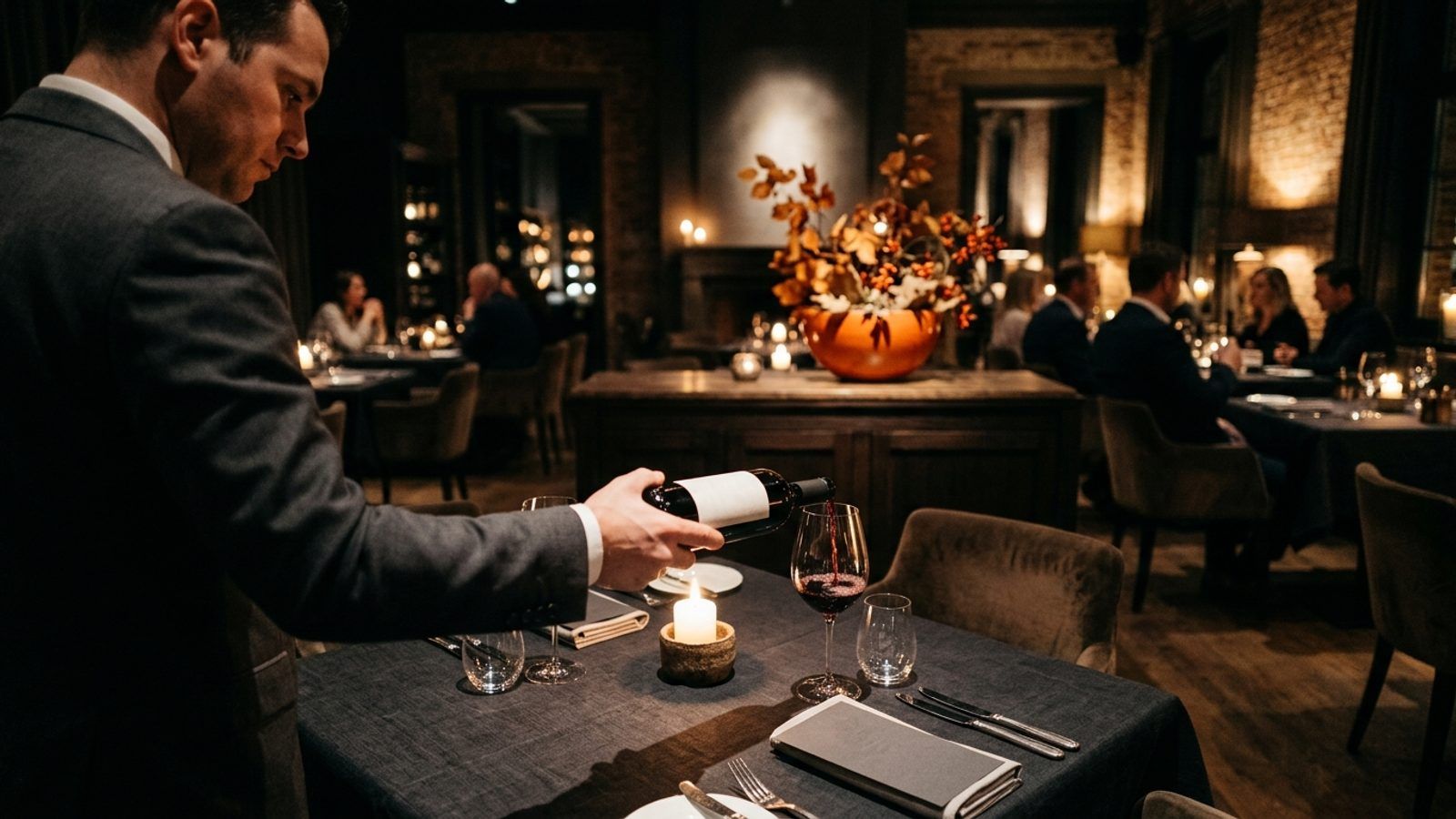
How do you turn summer guests into autumn regulars?
Full terraces now, quiet tables in September. How to turn this summer's one-time guests into autumn regulars before the season slips away.
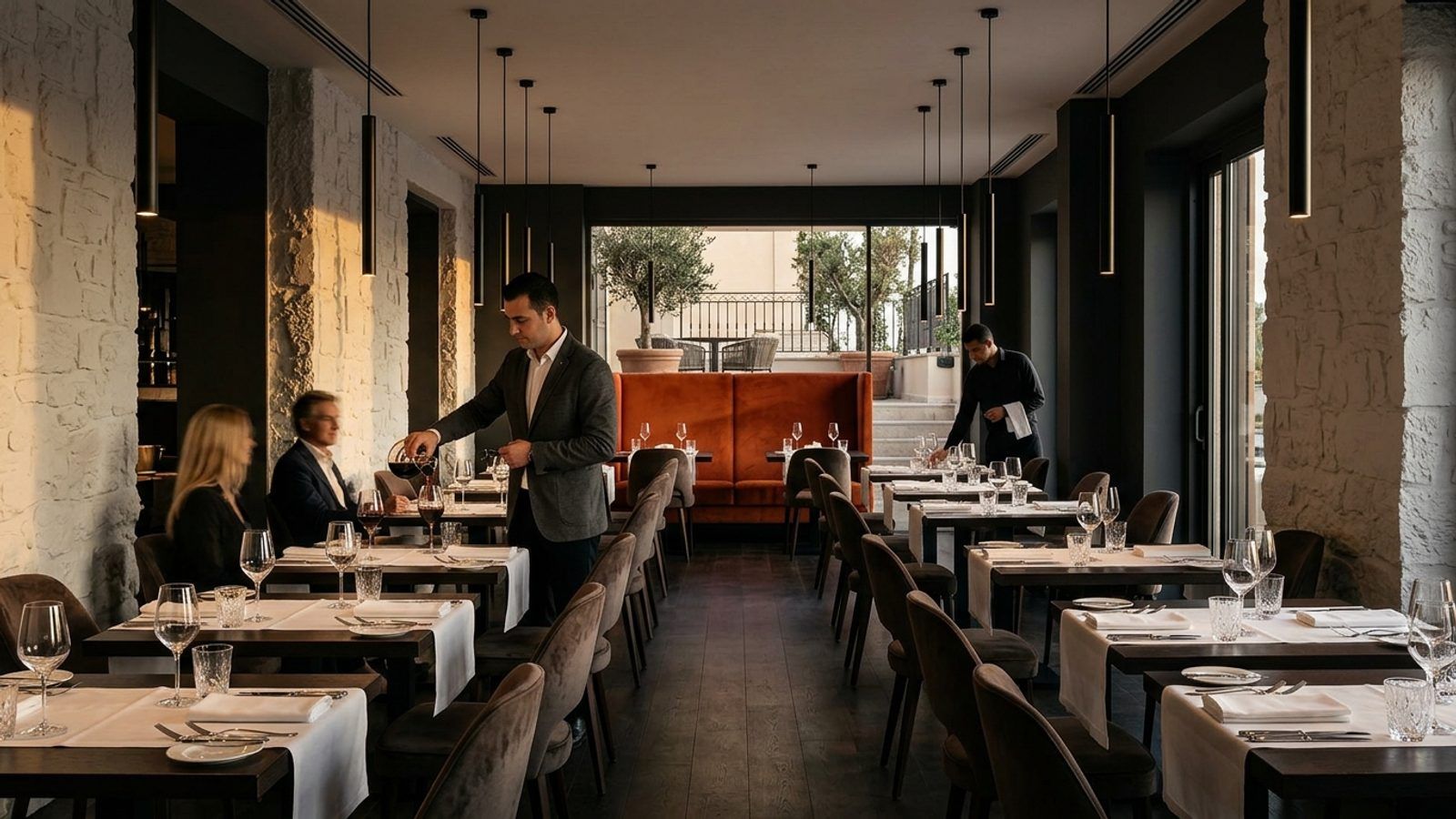
How do you win the last-minute diner this summer?
Summer 2026 diners are booking later than ever. How to capture last-minute restaurant bookings, from same-day tables to spontaneous groups.