Who owns your bookings? What TheFork's sale means for your restaurant
American Express is buying TheFork. What platform consolidation means for European restaurants, and why a direct booking channel matters more than ever.

Amelia Cooper
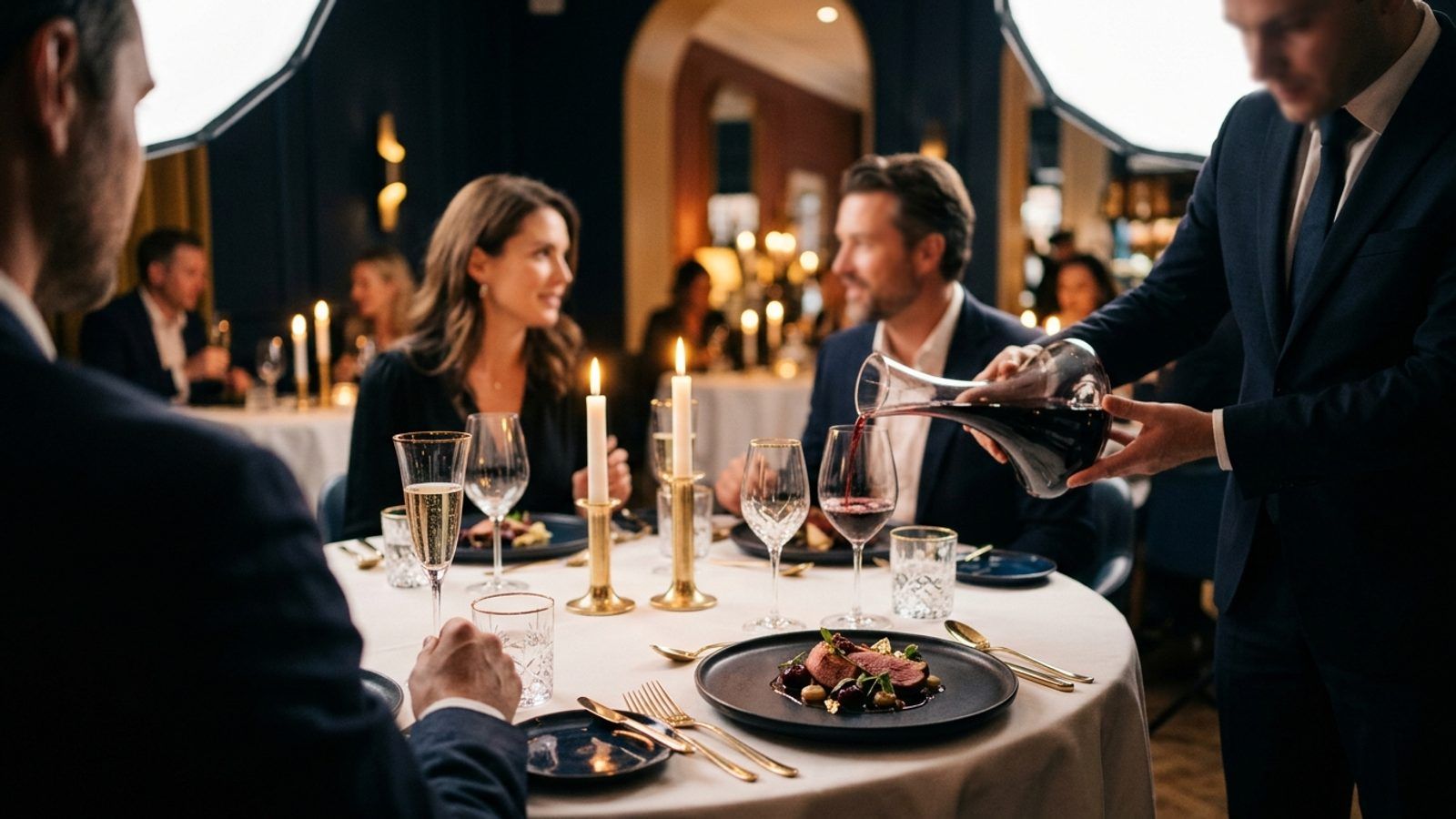
In June 2026, Tripadvisor announced it had agreed to sell TheFork, Europe's largest restaurant booking platform, to American Express for 700 million dollars in cash. TheFork works with more than 50,000 restaurants across eleven European countries, France chief among them, and the deal is expected to close before the end of the year. American Express already owns Resy, bought in 2019, and Tock, bought in 2024. With TheFork added, the group's dining network will span roughly 75,000 venues.
For diners, nothing changes tomorrow. For restaurateurs, it is a useful prompt to ask a question that rarely comes up during service: who actually owns your bookings? Not the table, not the guest, but the channel the reservation travels through, the data it leaves behind, and the fee it carries. Here is what the sale tells us, what a marketplace booking really costs, and how to build a direct channel that belongs to you.
What just changed at Europe's biggest booking platform?
The facts are simple. A booking marketplace that a large share of French and European restaurants rely on is moving from one American owner to another, and into a portfolio alongside two other reservation platforms. None of this is a reason for alarm. American Express has run Resy for years, and platforms change hands all the time.
It is, however, a reminder of where the decisions get made. Commission levels, ranking rules, membership perks, which diners see your restaurant first, all of that is set by the platform's owner, in line with the owner's strategy. When the owner changes, the strategy can change, and a restaurant that depends on the platform for most of its covers has little say in the matter. The dining room in Nice is a long way from the boardroom where those calls are made.
Why does it matter which channel a booking comes through?
Every reservation that reaches you through a marketplace carries three dependencies that a direct booking does not.
The first is the fee. Marketplace bookings are typically charged per seated diner. Reported figures for TheFork sit around two euros per cover in several markets, excluding VAT, on top of the subscription. The fee applies to every diner the platform delivers, including the regular who would have called you anyway but found the app more convenient.
The second is visibility. Your position in the platform's search results is decided by its algorithm and its commercial logic. A change to either can move your restaurant down the list overnight, through no fault of your cooking or your service.
The third, and the least visible, is the guest relationship. A guest who books through a marketplace is, in an important sense, the marketplace's customer. The account is theirs, the booking history is theirs, the marketing emails come from them. If you leave the platform, the relationship stays behind. You served the meal, but you cannot invite the guest back.
None of this makes marketplaces bad. For a restaurant in a tourist city, being discoverable by visitors who have never heard of you has real value. The problem is concentration, not existence. When one channel controls the fee, the visibility, and the guest data, a change of owner is a change to your business, made without you.
What does a marketplace booking actually cost over a year?
Take a modest example. A restaurant that seats 300 marketplace diners a month at a reported two euros per cover pays around 600 euros a month in per-cover fees, more than 7,000 euros a year, before the subscription. A busier venue in a tourist zone can pay several times that. The same volume through your own booking widget stays on your own terms, whether you seat 300 or 900.
The harder cost to price is the data. A year of bookings through your own system builds a guest book: who returns, who prefers the terrace, who has a shellfish allergy, who books for birthdays. A year of bookings through a marketplace builds that same asset, for the marketplace. Over time, the difference compounds. One restaurant knows its guests better every season. The other rents that knowledge back.
What does a strong direct booking channel look like in 2026?
It has a few working parts, none of them exotic.
A booking widget on your own website and Google profile, so a guest who searches for you by name can reserve in two taps without passing through anyone's marketplace. Menu pages that are properly indexed, so you appear in Google results and increasingly in AI assistant answers, where more diners now start their search. A way of capturing phone demand, because the calls that still come in are often the large parties and special occasions. Deposits on the bookings that need them, so a direct reservation is as protected against no-shows as a marketplace one. And a guest record you own, so every visit makes the next one better.
The practical shift is gradual, not dramatic. Keep the marketplace for what it is good at, introducing new guests. Then make direct booking the easiest option everywhere your name already appears: your site, your Google profile, your QR menu, the confirmation and review messages you send. A first-time guest may find you through a platform. Whether the second visit goes through your book or theirs is decided by how easy you make it.
How Deskadora helps
Deskadora is built around the direct channel. The booking widget sits on your own website and takes reservations straight into your live book, on a subscription. Deposits and no-show protection apply to direct bookings just as they would on any marketplace. The AI voice agent answers the phone when your team cannot, so direct demand by phone is captured rather than lost. And every booking, whatever its source, feeds a guest CRM that belongs to your restaurant. The data is not pooled, resold, or used to market a competitor to your own guests.
The free tier matters here too. Deskadora's QR digital menu is free and unlimited, and its public menu pages are built to be found in Google and cited by AI search tools. That is the top of your direct funnel: a guest finds your menu, likes it, and books, without a marketplace in between. Reservations, the widget, and the voice agent sit in the paid plans.
If the TheFork news made you wonder how much of your book you actually control, that is worth acting on while it is on your mind. Adding a direct booking widget alongside your existing channels is a small change, and you can judge the results in your own numbers within a season.
Frequently asked questions
Should I leave TheFork or other marketplaces entirely?
For most restaurants, no. Marketplaces are effective at introducing new guests, especially in tourist cities. The sensible aim is balance: let the marketplace do discovery, and make sure returning guests have an easy direct route, so the people who already know you book straight with you.
Will guests really book direct instead of through an app they already use?
Yes, when it is easy. Most guests search for a specific restaurant by name on Google before booking. If a booking button sits right there on your profile and your website, the direct route is the shortest one. Guests do not choose platforms out of loyalty; they choose the fastest path to a confirmed table.
What is the difference in what happens to my guest data?
Bookings through your own system build a guest history your restaurant owns: visits, preferences, allergies, occasions. Bookings through a marketplace build that history inside the platform, attached to the platform's account, and it stays there if you leave. Owning the record is what lets you recognise a returning guest and invite them back yourself.
Related articles
Should your restaurant take reservations over WhatsApp?
WhatsApp adoption varies sharply across Europe, but for many guests it is the only app they already have open. What to check before switching bookings on there.
How many systems does it take to seat one table?
Most restaurants run more software than they realise, and the cost lands on staff attention. How to audit your stack before the autumn season.
How do you take group bookings without losing the evening?
Group bookings are the most resilient demand of 2026, and the most fragile. How to take large parties without long phone calls or an empty room.
How do you turn summer guests into autumn regulars?
Full terraces now, quiet tables in September. How to turn this summer's one-time guests into autumn regulars before the season slips away.
How do you win the last-minute diner this summer?
Summer 2026 diners are booking later than ever. How to capture last-minute restaurant bookings, from same-day tables to spontaneous groups.