Why More Diners Are Finding Restaurants Through AI Search
AI search tools like ChatGPT and Google are changing how diners in Europe find restaurants. Here is what your venue needs to do to stay visible.

Amelia Cooper

Something changed in how people decide where to eat. Not dramatically or overnight, but clearly enough that restaurant owners in France are noticing it. The question "where should we eat tonight?" is increasingly answered not by tapping through Google results, but by asking ChatGPT, querying Perplexity, or reading the AI-generated overview at the top of a Google page. A growing share of the guests sitting in your dining room tonight found you through a tool that did not exist three years ago.
For most restaurants, this is invisible. Bookings arrive, guests eat, the shift ends. Nobody asks how the table found you. But the shift in how discovery works has real consequences for which venues get recommended and which do not, and those consequences are already playing out across Europe.
How are diners searching for restaurants differently today?
The change is gradual rather than abrupt, which is why many restaurateurs have not fully registered it. Five years ago, finding a restaurant meant searching Google, reading a few reviews on TripAdvisor, and clicking through to a menu. Today, a significant portion of that journey happens inside AI tools that synthesise information and produce a direct recommendation.
A tourist arriving in Nice for a long weekend might ask ChatGPT "what is a good restaurant for a birthday dinner near the old town, with a seafood menu and vegetarian options?" That question bypasses traditional search entirely. The AI reads whatever is publicly available about your restaurant, including your website, your menu descriptions, your reviews, and structured data about your venue, and decides whether to include you in its answer.
The same pattern appears with Google's AI Overviews, which now sit above organic search results for many queries. The restaurants that appear in those overviews are not always the ones with the most reviews or the highest rankings. They are the ones whose information is clear, structured, consistent, and rich enough for the AI to summarise with confidence.
What do AI tools actually look for when recommending a restaurant?
AI tools synthesise from multiple sources: your website copy, your menu, your Google Business Profile, reviews across platforms, and anything that describes your restaurant in structured or semi-structured form. What makes a restaurant easy to recommend is not one exceptional source but consistency and completeness across all of them.
The venues that tend to appear in AI-generated recommendations are those with clear, up-to-date menu descriptions (including allergen information and dietary labels), a well-maintained Google Business Profile, a consistent description of the restaurant's style and offer across different platforms, and a steady supply of recent, substantive reviews.
What does not help: a PDF menu that cannot be read by a machine, inconsistent information about opening hours, descriptions that say "fine dining" without explaining what the kitchen actually does, and menus that exist only in French when a significant portion of your guests arrive from Germany, the UK, or Italy.
Why does language matter more than ever in European restaurants?
A diner asking for a restaurant recommendation in German, English, or Dutch is not searching in the same pool as one asking in French. AI tools understand this and try to match recommendations to the language and context of the query. If your restaurant's digital presence is entirely in French, you are effectively absent from the recommendation pool for a large portion of European tourists.
This is not a new problem, but AI search has made it more consequential. A traditional search result in the wrong language could still produce a click if the restaurant looked appealing. An AI-generated answer in German that recommends "a restaurant on the seafront in Nice with a multilingual menu" will not mention a venue whose menu and descriptions exist only in one language.
The hotels and destinations that draw the most international visitors to France are precisely where this gap matters most. A restaurant on the Cote d'Azur that serves English, Italian, and German-speaking guests every weekend, but whose menu and descriptions exist only in French, is effectively invisible to a significant share of the AI-powered searches those guests are running before they leave home.
How does your menu content affect discoverability?
The menu is the document most restaurants spend the most money printing and the least effort putting online correctly. A menu locked inside a PDF, formatted for print, without structured allergen data or dietary tags, does very little for discoverability.
What helps is a menu whose contents are readable by machines. Dish names, descriptions, allergen flags (gluten, shellfish, nuts, dairy), dietary categories (vegetarian, vegan, halal), and prices, presented in a format that can be read, indexed, and summarised.
When an AI tool is asked "does this restaurant have good vegetarian options?", it draws on everything it can read about the restaurant. A venue that has marked its menu clearly, with dish descriptions that explain what is in the food, will fare better than one with a beautiful printed menu nobody online can parse.
There is also the consistency question. If your printed menu says one thing, your website another, and your Google Business Profile a third, the AI will produce an uncertain or contradictory answer. Consistency across channels is what produces clear, confident recommendations.
How does Deskadora help restaurants with visibility?
Deskadora was not built primarily as a search tool, but several of its features directly address the visibility problem.
The QR menu system generates a live, machine-readable version of your menu that updates when you update your dishes. Because the menu is served as a web page rather than a PDF, it can be indexed and read by AI tools.
The multilingual menu feature translates your menu across ten languages using context-aware translation, which understands dish names, cooking methods, and regional ingredients rather than converting word by word. A French menu that is also available in English, German, Italian, and Dutch is accessible to the full range of guests who might be searching in their own language.
The guest review system prompts guests for feedback at the right moment after a visit, which produces a steadier flow of recent, specific reviews. Consistent, recent reviews are part of what AI tools draw on when deciding whether a restaurant is worth recommending.
None of this replaces maintaining a good Google Business Profile or writing clear website copy. But it removes the biggest gap, which is the mismatch between what a restaurant offers and how much of that offer is legible to the tools diners are increasingly using.
Practical steps a restaurant can take this month
Update your Google Business Profile with accurate hours, a current menu link, and recent photos. This is free, takes an hour, and is the single most effective thing a restaurant can do for local search visibility.
Put your menu online in a format that machines can read. A QR code that serves a live web menu is better than a PDF attachment. If your menu exists only on a printed card or a PDF, you are invisible to a growing portion of how people search.
Add allergen and dietary information to your menu. This is increasingly required by regulation in Europe, and it also dramatically improves how AI tools can answer specific dietary questions about your restaurant.
Collect recent reviews, not by gaming the system, but by asking guests at the right moment. A restaurant with 20 reviews from this year is more useful to an AI than one with 200 reviews from five years ago.
Make your venue's description consistent. The same summary of what your restaurant is and who it is for should appear on your website, your Google profile, your booking platforms, and anywhere else your name appears.
Frequently asked questions
Does having a multilingual menu really help with AI search?
Yes, in a measurable way. AI tools that field questions in multiple languages draw on content in those languages. A venue with a menu and descriptions available in English, German, and Italian is more likely to appear in queries made in those languages than one whose content exists only in French. For restaurants that attract international guests, this is one of the highest-return investments in visibility.
Which AI tools are diners actually using to find restaurants?
ChatGPT and Google's AI Overviews are the two most common paths in Europe at the moment. Perplexity and other AI search tools are growing, particularly among younger travellers who trust AI-generated answers over manually curated review sites. The behaviour varies by market: German and British tourists in France tend to use Google heavily, while a growing share of younger guests in all markets are using conversational AI tools. A restaurant with strong visibility across Google is already well positioned. Adding structured, multilingual content extends that to the AI-specific channels.
How quickly can a restaurant improve its visibility in AI search?
Meaningful change happens over weeks to months, not days. Updating your menu online and refreshing your Google profile can be done in an afternoon, and the effect compounds as crawlers and AI systems pick up the changes. Collecting fresh reviews is a longer project, but the sooner a restaurant starts, the sooner the pipeline of recent feedback begins to build. The restaurants that do best in AI-powered discovery over the next two years are the ones that start treating their digital presence as a living document rather than a one-time task.
Related articles

Should your restaurant take reservations over WhatsApp?
WhatsApp adoption varies sharply across Europe, but for many guests it is the only app they already have open. What to check before switching bookings on there.
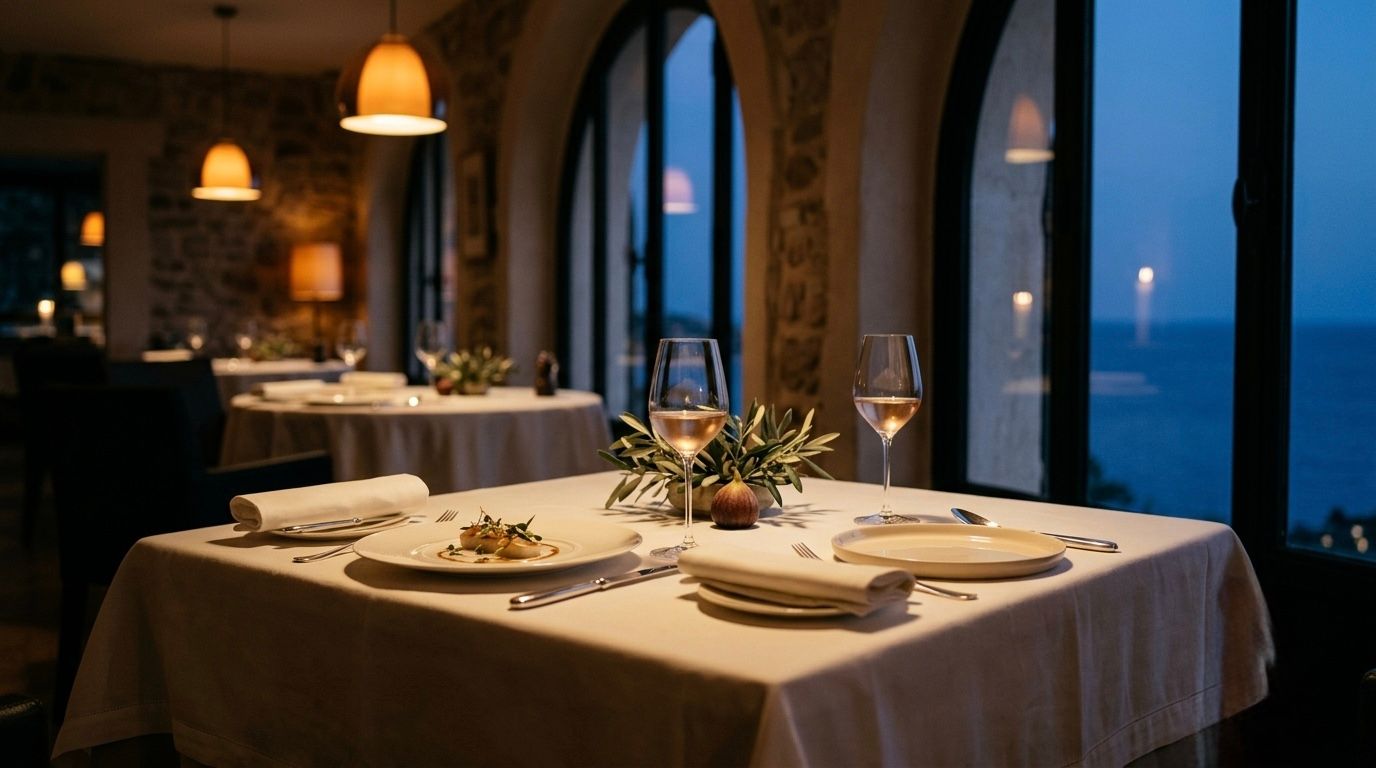
How AI actually helps a restaurant run better
Most of what gets said about AI in hospitality is noise. This article explains, in plain terms, what AI actually does inside a busy restaurant — from guest profiling and pre-service briefings to no-show protection, multilingual menus, and phone reservations — and why it matters for a dining room that needs its team focused on guests, not admin.
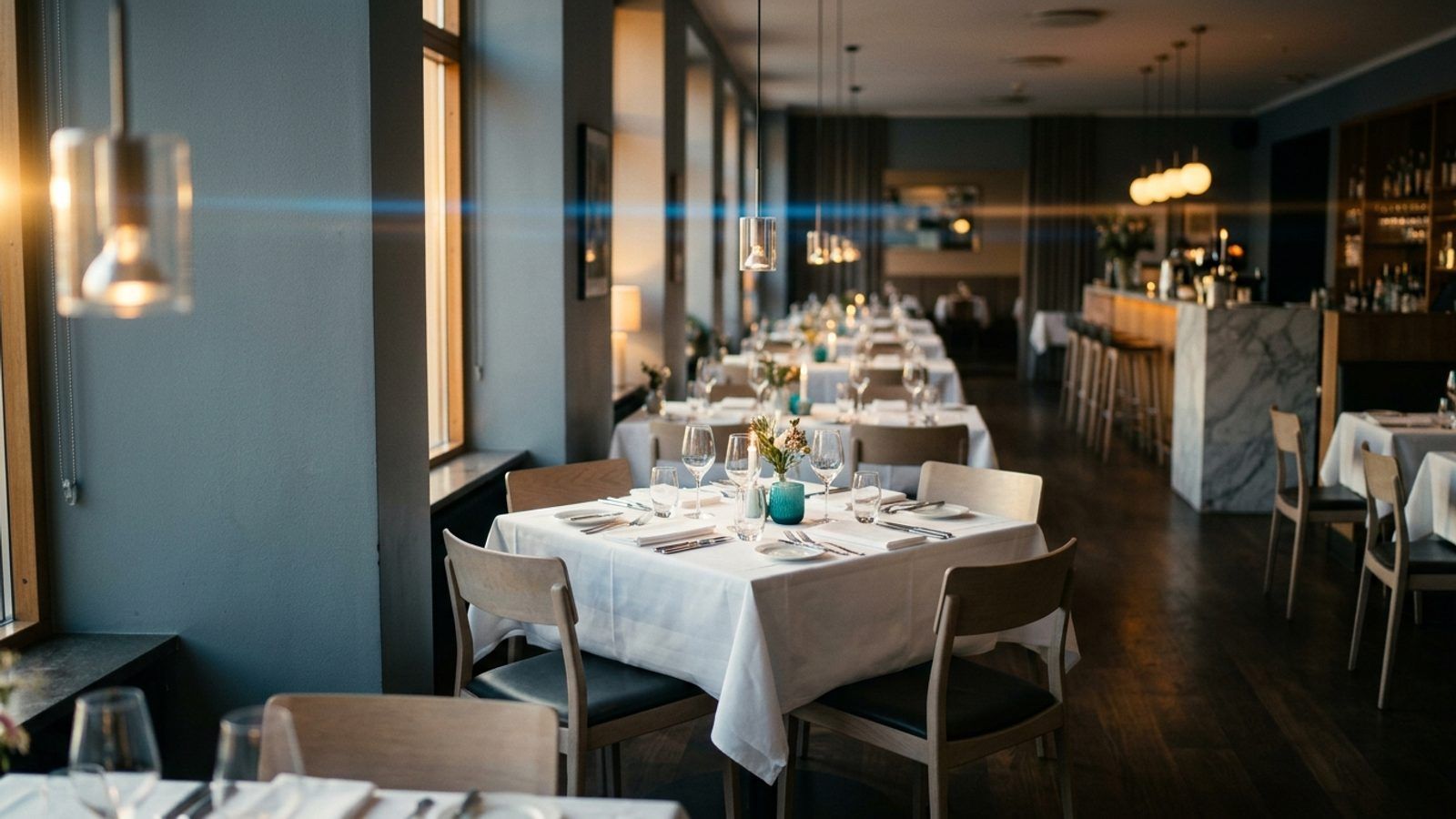
How many systems does it take to seat one table?
Most restaurants run more software than they realise, and the cost lands on staff attention. How to audit your stack before the autumn season.
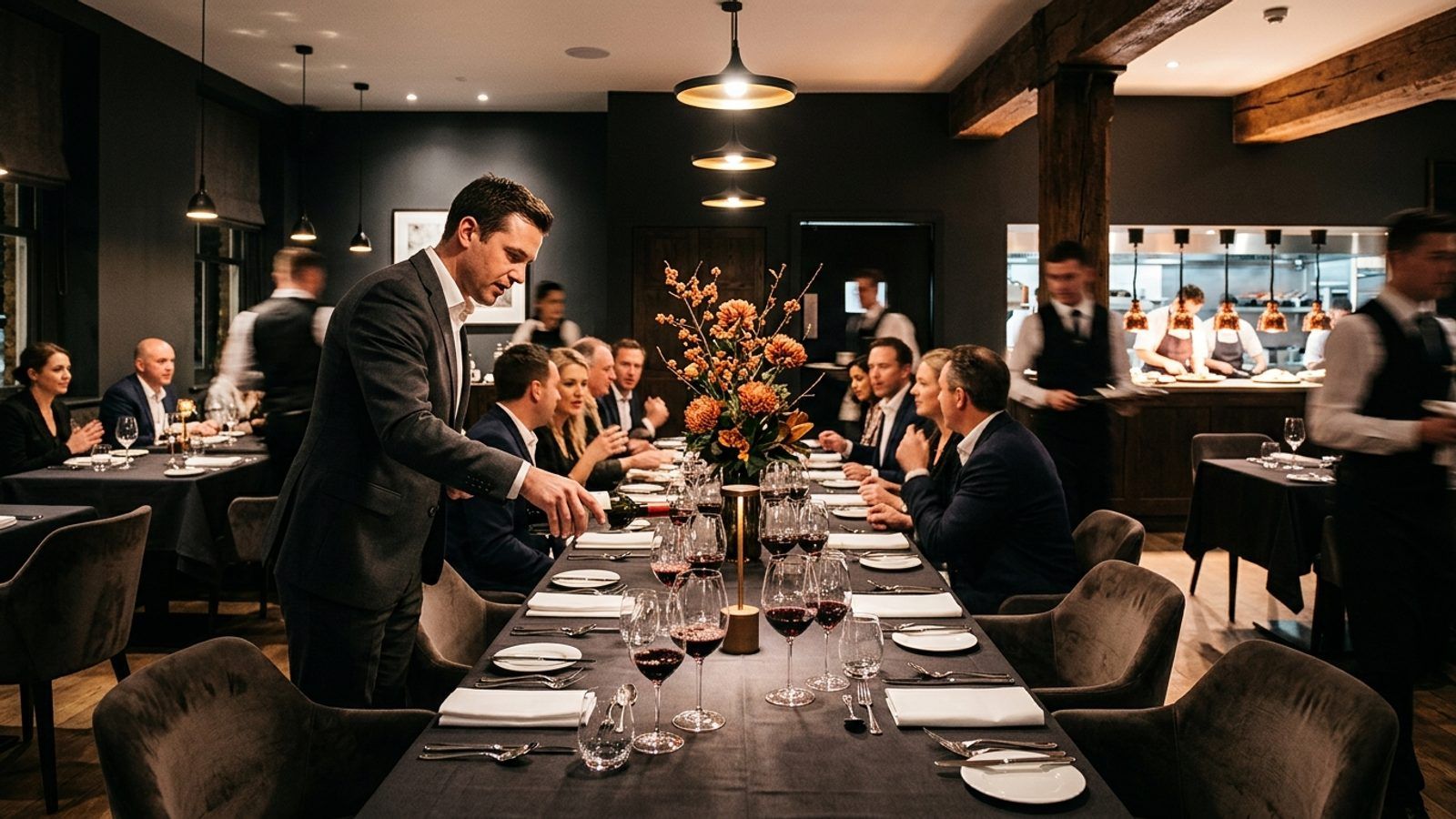
How do you take group bookings without losing the evening?
Group bookings are the most resilient demand of 2026, and the most fragile. How to take large parties without long phone calls or an empty room.
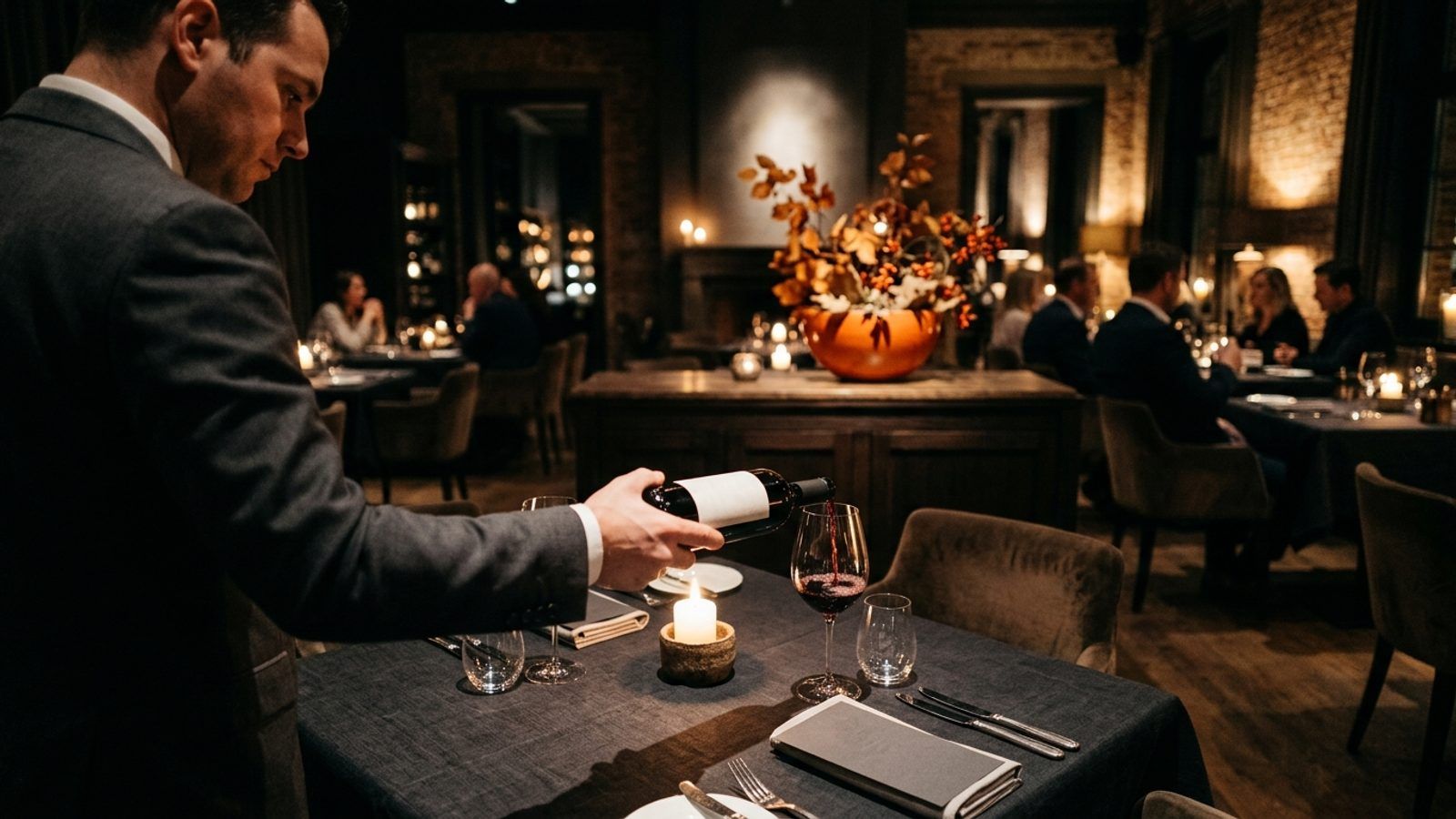
How do you turn summer guests into autumn regulars?
Full terraces now, quiet tables in September. How to turn this summer's one-time guests into autumn regulars before the season slips away.