How can a short-staffed restaurant still answer every call?
Phone bookings are among a restaurant's most valuable, yet many go unanswered when the team is stretched. Here is how to catch every call without losing covers.

Amelia Cooper
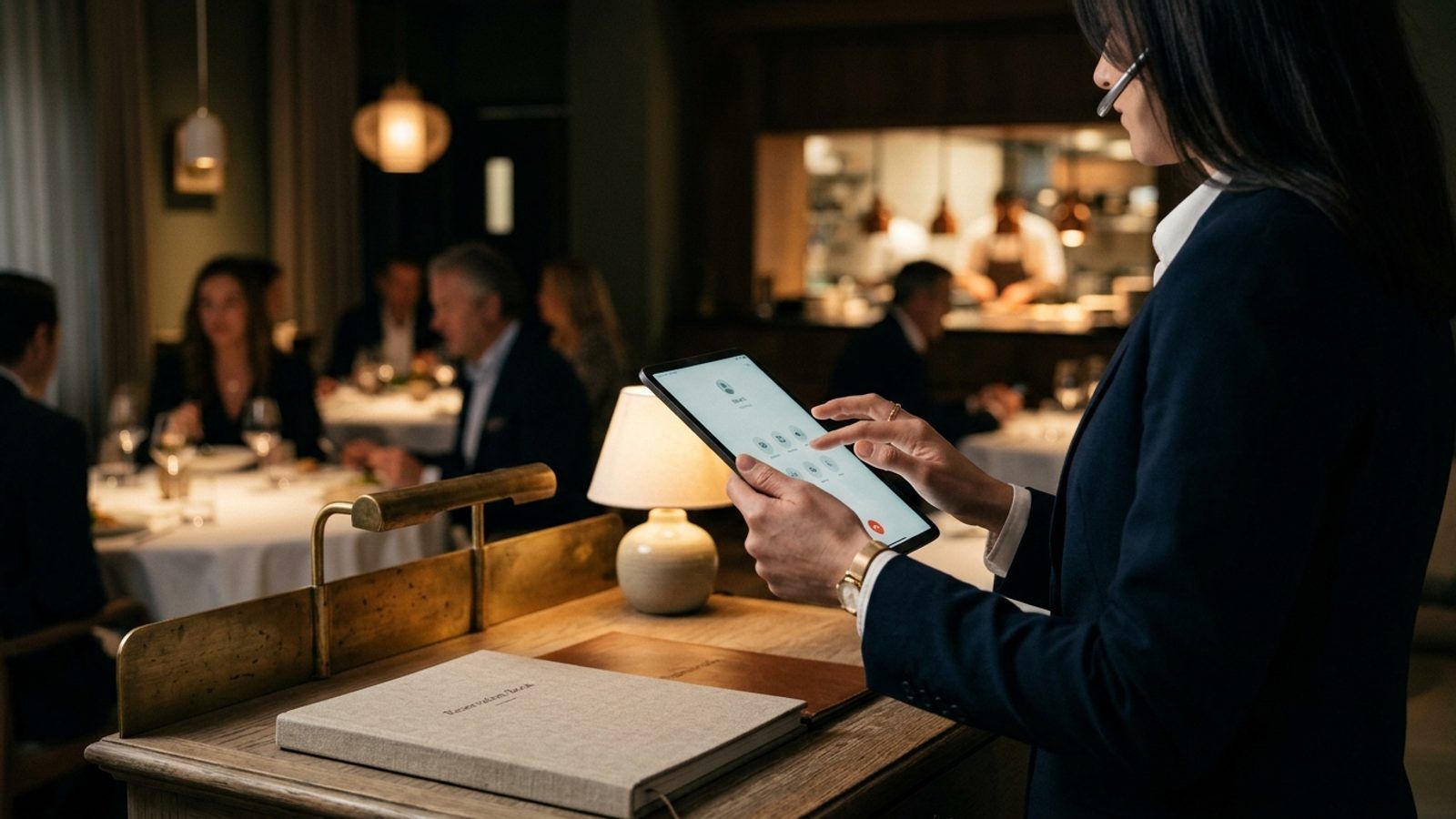
A full reservation book is worth nothing if the calls that would have filled it never get answered. In a busy French dining room this happens dozens of times a week. The phone rings during a lunch rush, every member of the team is already carrying plates or taking an order, and by the time someone is free the caller has hung up and booked somewhere else. The table that call would have filled stays empty, and nobody records the loss because there is nothing to record. A missed call leaves no trace.
This is a quieter problem than a bad review or a no-show, but over a month it adds up to real money. It is also getting harder to solve the old way, by simply having someone near the phone, because there often is not anyone spare. Here is why the phone still matters, what an unanswered one costs, and how a small team can catch every call without taking someone off the floor.
Why does the phone still matter when most bookings are online?
Most reservations now start on a screen. Industry figures for 2026 suggest more than eight in ten diners would rather book a table online than call. So it is tempting to treat the phone as a relic and let it ring.
That would be a mistake, because the calls that still come in tend to be the valuable ones. People phone for the bookings that do not fit a web form. The large party for a birthday. The question about a shellfish allergy before they commit. The regular who wants the quiet corner table they always sit at. The last-minute group looking for space tonight. Reports this year suggest phone bookers convert at a higher rate than online ones and tend to spend more per head, partly because they are often older guests and higher-intent ones. The phone has not become unimportant. It has become the channel for your highest-value guests.
What does a missed call actually cost?
The numbers are worse than most owners assume. Studies in 2026 suggest the average restaurant misses somewhere between a fifth and a third of its incoming calls, and during peak booking hours that can climb past half. Each of those is a guest who wanted to give you money and could not.
What happens next makes it worse. Callers who reach a voicemail rarely leave a message, and a large majority, around four in five by some measures, simply ring a competitor instead. They do not try again later. So a missed call is not a delayed booking, it is usually a lost one, and often a lost guest for good. Put a realistic average spend against the covers you lose this way each week and the figure is rarely small. For a venue with tight margins, the calls you never hear can be the difference between a steady month and a worrying one.
Why do calls get missed in the first place?
Not because anyone is careless. Because the person who would answer is busy doing something else that also cannot wait.
This is sharper in France than almost anywhere. The hospitality sector here is short of staff on a scale that shapes daily service. Industry bodies have pointed to a need for hundreds of thousands of new hires across the sector in 2026, fewer young people entering the trade through training, and a steady run of closures, with reports of around 25 restaurants shutting their doors each day. On the Côte d'Azur the swing between a quiet winter and a packed summer makes it worse, because the team that copes in February is overwhelmed in August. When a dining room is run by the smallest workable number of people, there is no host standing by the phone. Answering it means stopping table service, and during a rush that trade-off almost always goes against the phone.
So the real problem is not the phone itself. It is that answering it competes with serving the guests already in the room, and a stretched team cannot do both at once.
How can a restaurant answer every call without hiring more staff?
A few things help before you reach for any technology. Push routine bookings to a clear online widget so the phone only rings for the calls that genuinely need a voice. Set up a simple message that tells callers how to book online if the line is busy. Keep your opening hours and booking link correct everywhere a guest might look, so fewer people need to call just to ask.
Those steps reduce the volume, but they do not catch the calls that still come, especially after hours or mid-service. For that, the answer in 2026 is to let software take the first line. An AI voice agent picks up when your team cannot, holds a natural conversation, takes the booking against your live availability, and only involves a person when it needs to. It does not replace the welcome a good host gives. It stops a ringing phone from forcing a choice between the guest on the line and the guest at the table.
How Deskadora helps
Deskadora includes an AI voice agent built for exactly this gap. It answers the restaurant's phone in a natural voice, takes and cancels bookings, checks them against the same live reservation book your team uses, answers common questions such as opening hours or whether you cater for a dietary need, and transfers to a member of staff when a call needs a human. Calls that arrive after closing or in the middle of service are captured rather than lost.
Because the booking lands in the same system as everything else, there is no double entry and no separate diary to reconcile. A reservation taken by the voice agent at nine in the evening is in the book instantly, feeds the guest profile, and shows up in the next day's service the same as any other. The aim is plain. Keep your team on the floor with the guests in front of them, and make sure the guest on the phone is still looked after. Deskadora's reservations and AI voice agent sit in the paid plans, while the digital QR menu stays free and unlimited.
If the phone ringing during service is a daily source of stress for your team, it may be worth seeing how an AI voice agent handles a real booking. You can try it as part of Deskadora and decide for yourself whether it earns its place.
Frequently asked questions
Will guests be able to tell they are talking to an AI, and will they mind?
Most callers simply want their booking handled quickly and correctly. The voice agent speaks naturally and gets to the point, and it hands over to a person when a call needs one. For straightforward reservations and questions, the experience is fast and clear, which is what most guests are after.
Does an AI voice agent replace my front-of-house team?
No. It covers the moments your team cannot, the rush, the after-hours call, the second line ringing while someone is already on the first. The goal is to keep staff with the guests in the room rather than pulled to the phone, not to remove the human welcome that makes a restaurant worth visiting.
What happens to a booking the voice agent takes?
It goes straight into your live reservation book, the same one your staff work from. There is no separate list to check and no risk of double booking, because the agent reads real-time availability. The reservation also feeds the guest profile, so the next visit benefits from it too.
Related articles
Should your restaurant take reservations over WhatsApp?
WhatsApp adoption varies sharply across Europe, but for many guests it is the only app they already have open. What to check before switching bookings on there.
How many systems does it take to seat one table?
Most restaurants run more software than they realise, and the cost lands on staff attention. How to audit your stack before the autumn season.
How do you take group bookings without losing the evening?
Group bookings are the most resilient demand of 2026, and the most fragile. How to take large parties without long phone calls or an empty room.
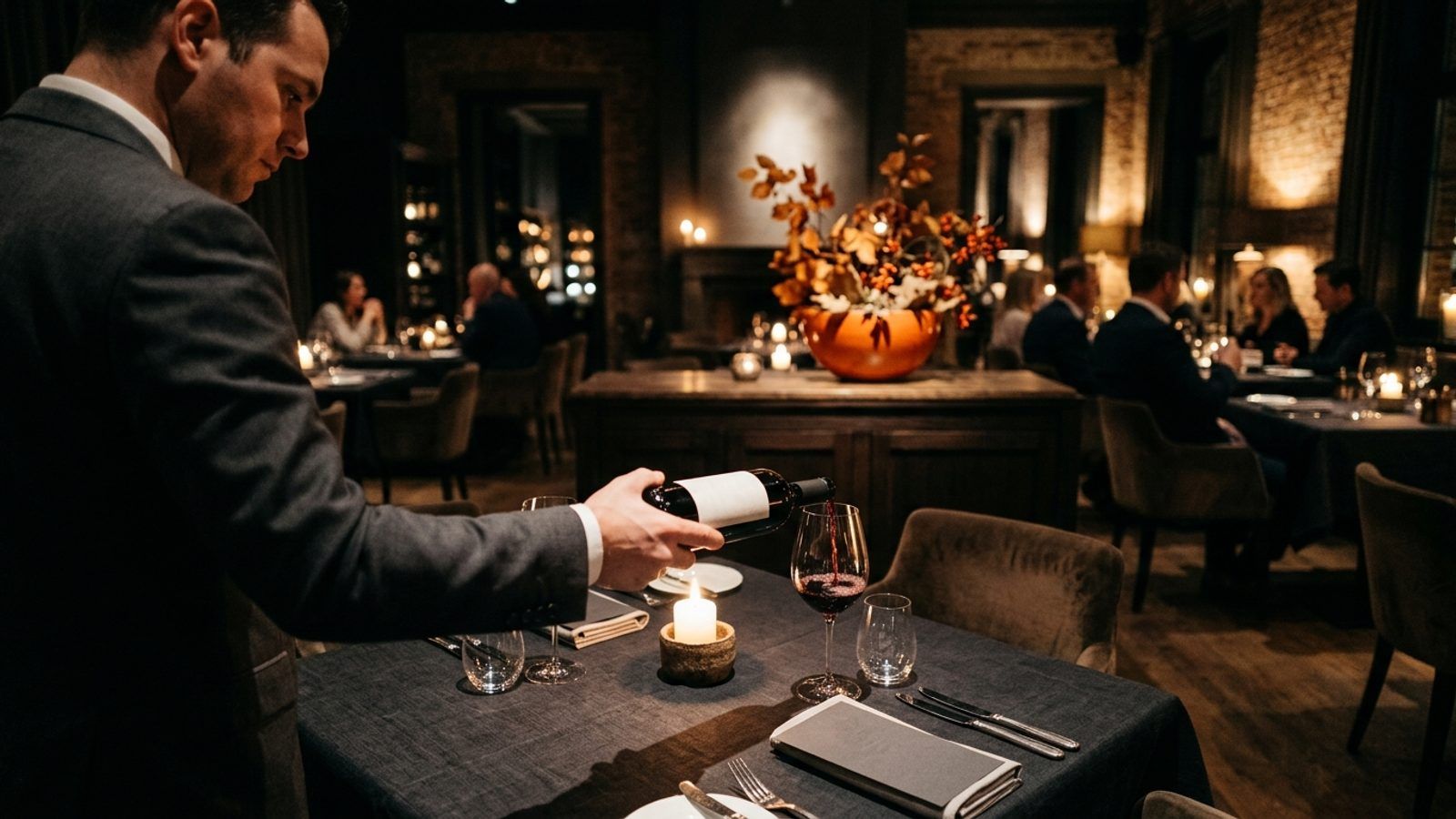
How do you turn summer guests into autumn regulars?
Full terraces now, quiet tables in September. How to turn this summer's one-time guests into autumn regulars before the season slips away.
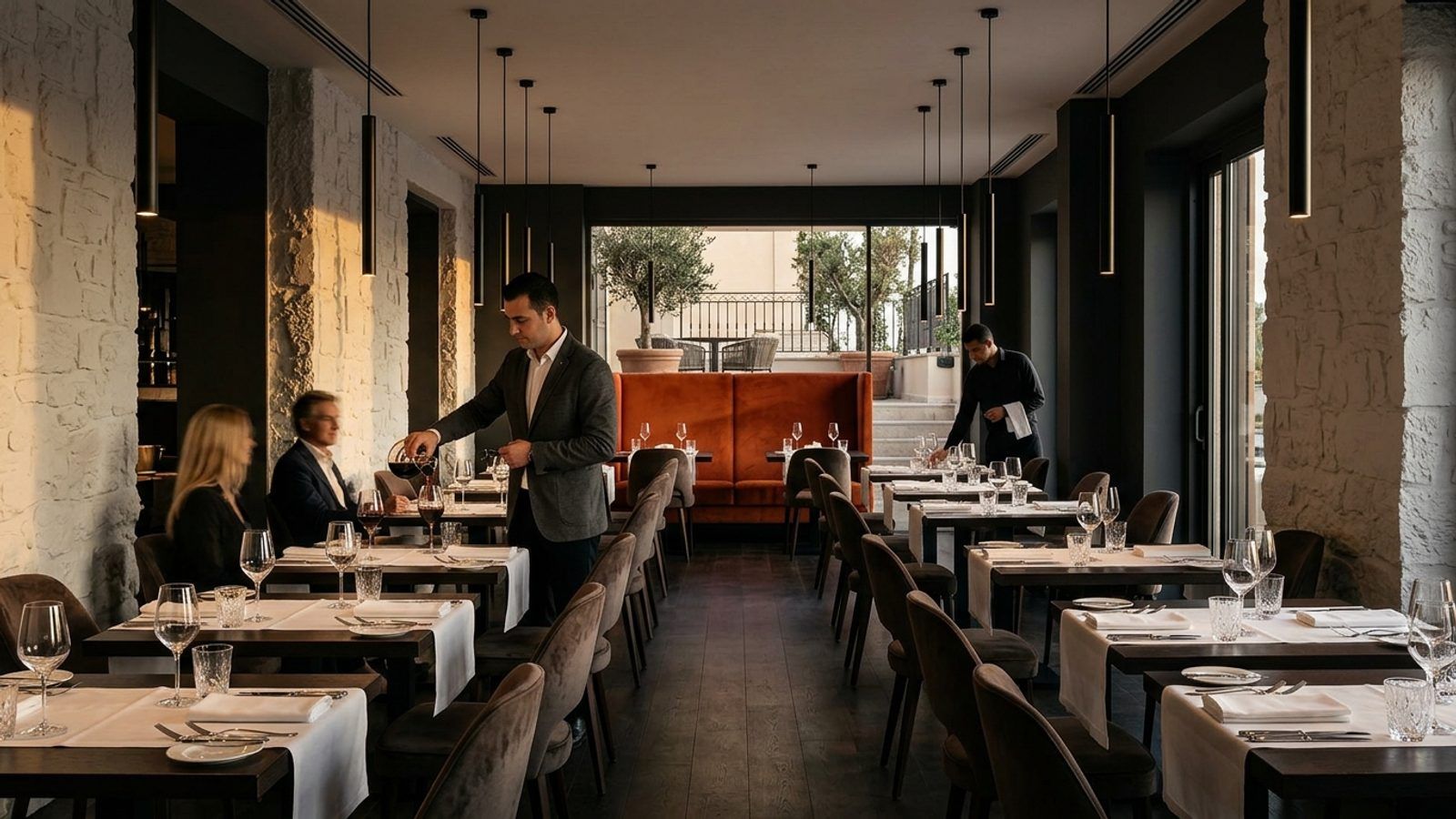
How do you win the last-minute diner this summer?
Summer 2026 diners are booking later than ever. How to capture last-minute restaurant bookings, from same-day tables to spontaneous groups.