How AI actually helps a restaurant run better
Most of what gets said about AI in hospitality is noise. This article explains, in plain terms, what AI actually does inside a busy restaurant — from guest profiling and pre-service briefings to no-show protection, multilingual menus, and phone reservations — and why it matters for a dining room that needs its team focused on guests, not admin.

Amelia Cooper
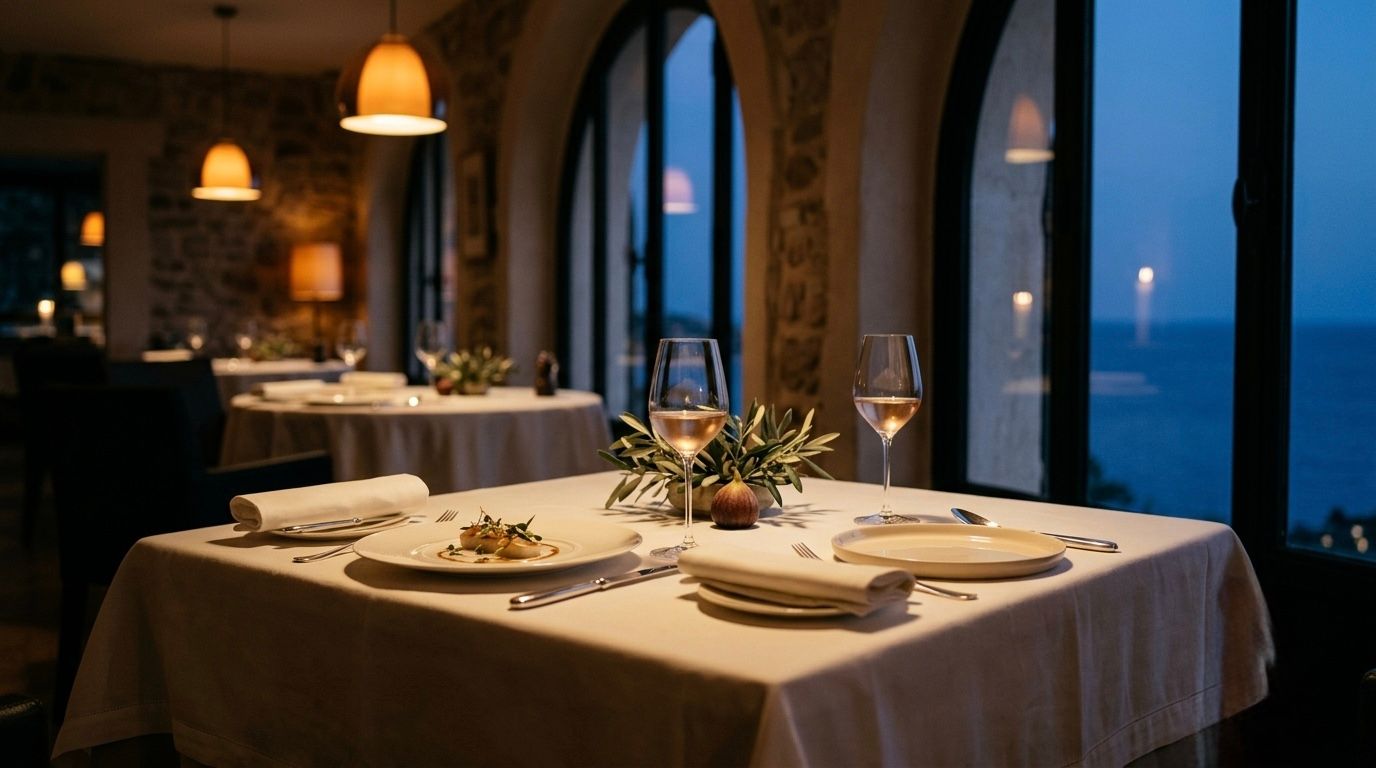
Most of what gets said about AI in hospitality is noise. The useful question for a restaurant is narrower. Where does the work pile up, and which parts of that work can a machine do well enough that the team gets time back? At Deskadora we have built around that question rather than around the hype. Here is what AI does inside the platform, in plain terms, and why it matters for a busy dining room on the Côte d'Azur.
The problem AI is solving for restaurants
A restaurant already knows a lot about its guests. The trouble is that the knowledge is scattered. A regular's preference for a quiet corner table sits in a manager's memory. An allergy is scrawled on a paper booking sheet. A complaint about slow service lives in a one-star review nobody linked back to the booking. A repeat no-show is a vague feeling rather than a recorded pattern.
None of this is a technology problem at heart. It is a problem of fragmented information and limited time. AI is genuinely good at one thing here: reading large amounts of messy, unstructured text and pulling out the parts that matter. That is the foundation everything else rests on.
Guest profiling, built from what you already have
Deskadora's guest intelligence starts by reading the records a restaurant generates anyway. Free-text booking notes, the history of past visits, public reviews tied to a guest, and any comments staff leave after service. From that, the platform builds a profile for each guest without anyone filling in a form.
What does a profile look like in practice? A returning guest who always books for two, prefers a window seat, has a noted shellfish allergy, tends to order off the wine list, and once left a review mentioning a birthday. The next time they book, the front of house sees that summary before the guest walks in. The work of remembering moves off the team and into the system, which means a small restaurant can offer the kind of recognition that used to require a maître d' with twenty years on the floor.
A point that matters for trust: that guest data stays with the restaurant. It is not pooled, resold, or used to feed a marketplace that competes with you for your own customers. The profile is yours.
Pre-service insight and the daily staff briefing
Knowing about one guest is useful. Knowing about the whole evening before it starts is what changes a shift.
Deskadora reads the night's bookings and produces a short briefing the team can scan before service. Which tables carry an allergy flag. Which guests are regulars worth a personal greeting. Where the turn times are tight and a table needs to be cleared on time to seat the next party. Which booking looks like a special occasion that deserves a small touch.
This is the difference between a team that reacts to the room and a team that walks in already knowing the shape of the night. The briefing takes seconds to read and replaces the scramble of cross-checking a booking sheet against half-remembered notes.
Cutting no-shows without punishing good guests
No-shows are one of the few problems in hospitality that translate directly into lost money. An empty table that was promised is worse than an open one, because it was held and could have been sold.
Deskadora handles this with configurable deposits rather than a blunt rule. You decide when a deposit applies. Perhaps only for large parties, or peak weekend slots, or guests with a history of not turning up. The deposit is requested at booking and released or applied according to your policy. The aim is to protect covers without adding friction for the regulars who always show.
Over time, the platform learns which bookings carry more risk, so the deposit logic can be pointed where it earns its keep rather than applied to everyone.
Menus that speak the guest's language, correctly
On the Côte d'Azur this one is not a nice-to-have. A table might hold French, Italian, German, and British guests in a single sitting, with a Russian or Dutch couple at the next.
Deskadora translates menus across ten languages, and it does so with context rather than word-for-word substitution. A dish name, a cooking method, a regional ingredient. These break ordinary translation tools, which produce results that are at best clumsy and at worst wrong in a way that embarrasses the kitchen. Context-aware translation reads the dish as a whole and renders it the way a human translator who understood food would.
Alongside this, the platform identifies allergens in menu items automatically, so the information is surfaced consistently across every language rather than depending on whoever happened to update the French version last.
Turning service into reviews, on the platforms that count
A good night should produce a good review, but most never do because nobody asks at the right moment. Deskadora prompts guests for reviews across the platforms that matter for a restaurant's visibility, timed to the visit rather than sent as a generic blast weeks later. The result is a steadier flow of recent, genuine feedback, which is what both guests and search engines look at when deciding whether a place is worth a visit.
AI phone reservations
Phones still ring, and a phone ringing during service is a tax on the team. Someone has to stop, take the call, check the book, and write the booking down, often at the worst possible moment. AI voice handling answers the call, takes the booking details, checks availability against the live book, and confirms, without pulling a staff member off the floor. Calls that come in after hours or during a rush are captured rather than lost, and the booking lands in the same system as everything else, so the guest profile and the briefing pick it up straight away.
The point is not to remove the human voice from a restaurant. It is to stop a ringing phone from deciding how a busy shift goes.
What ties it together
Each of these pieces is useful on its own. They are more useful because they share one source of truth. A phone booking feeds the guest profile. The profile feeds the pre-service briefing. The briefing shapes the service, which produces a review, which feeds back into the profile. The team is not stitching tools together by hand. The work happens around them.
One commitment sits underneath all of it: your guest data stays yours. AI is only worth having in a restaurant if it gives the team time back and keeps the guest relationship where it belongs, with you.
Related articles
Should your restaurant take reservations over WhatsApp?
WhatsApp adoption varies sharply across Europe, but for many guests it is the only app they already have open. What to check before switching bookings on there.
How many systems does it take to seat one table?
Most restaurants run more software than they realise, and the cost lands on staff attention. How to audit your stack before the autumn season.
How do you take group bookings without losing the evening?
Group bookings are the most resilient demand of 2026, and the most fragile. How to take large parties without long phone calls or an empty room.
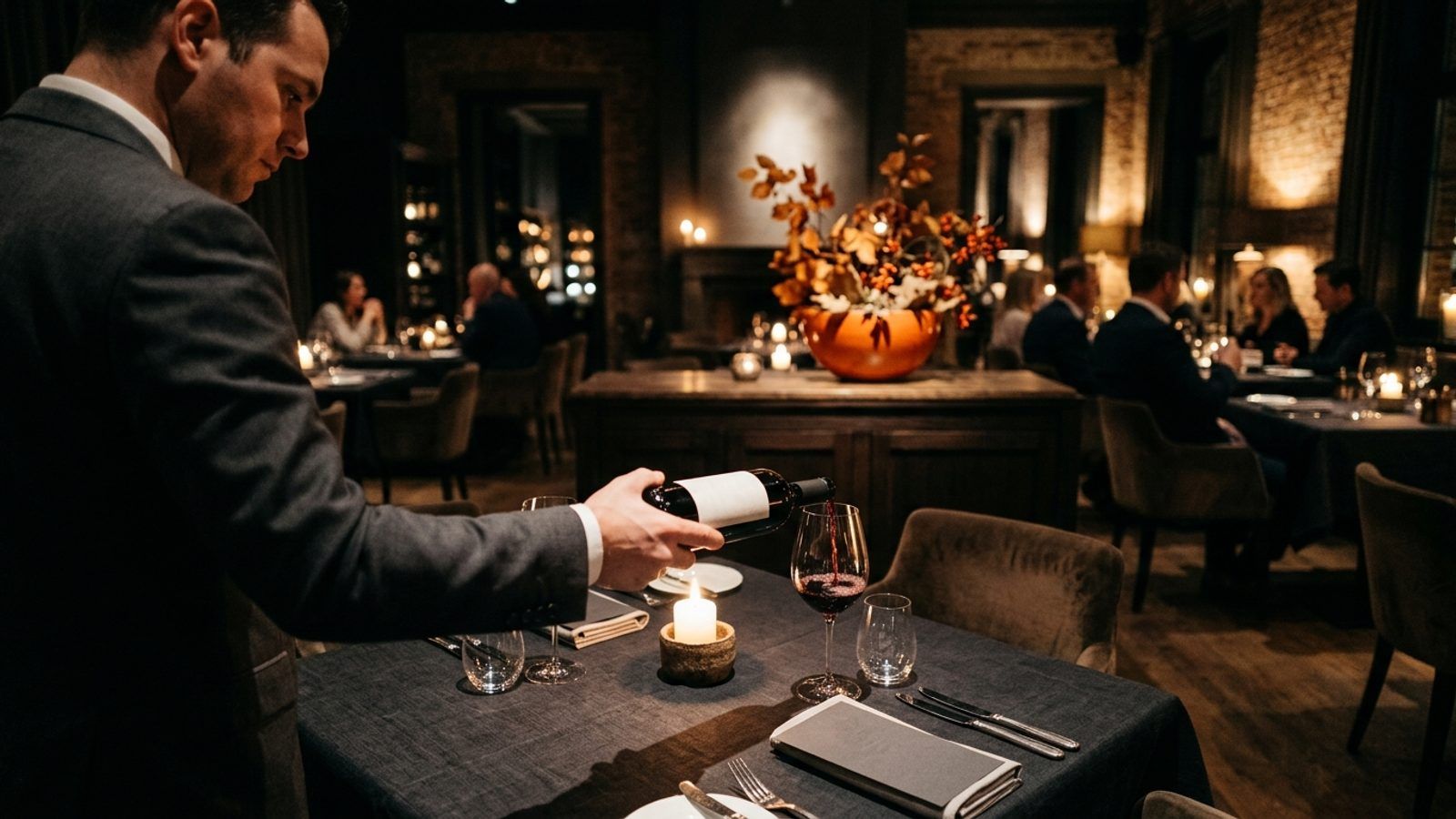
How do you turn summer guests into autumn regulars?
Full terraces now, quiet tables in September. How to turn this summer's one-time guests into autumn regulars before the season slips away.
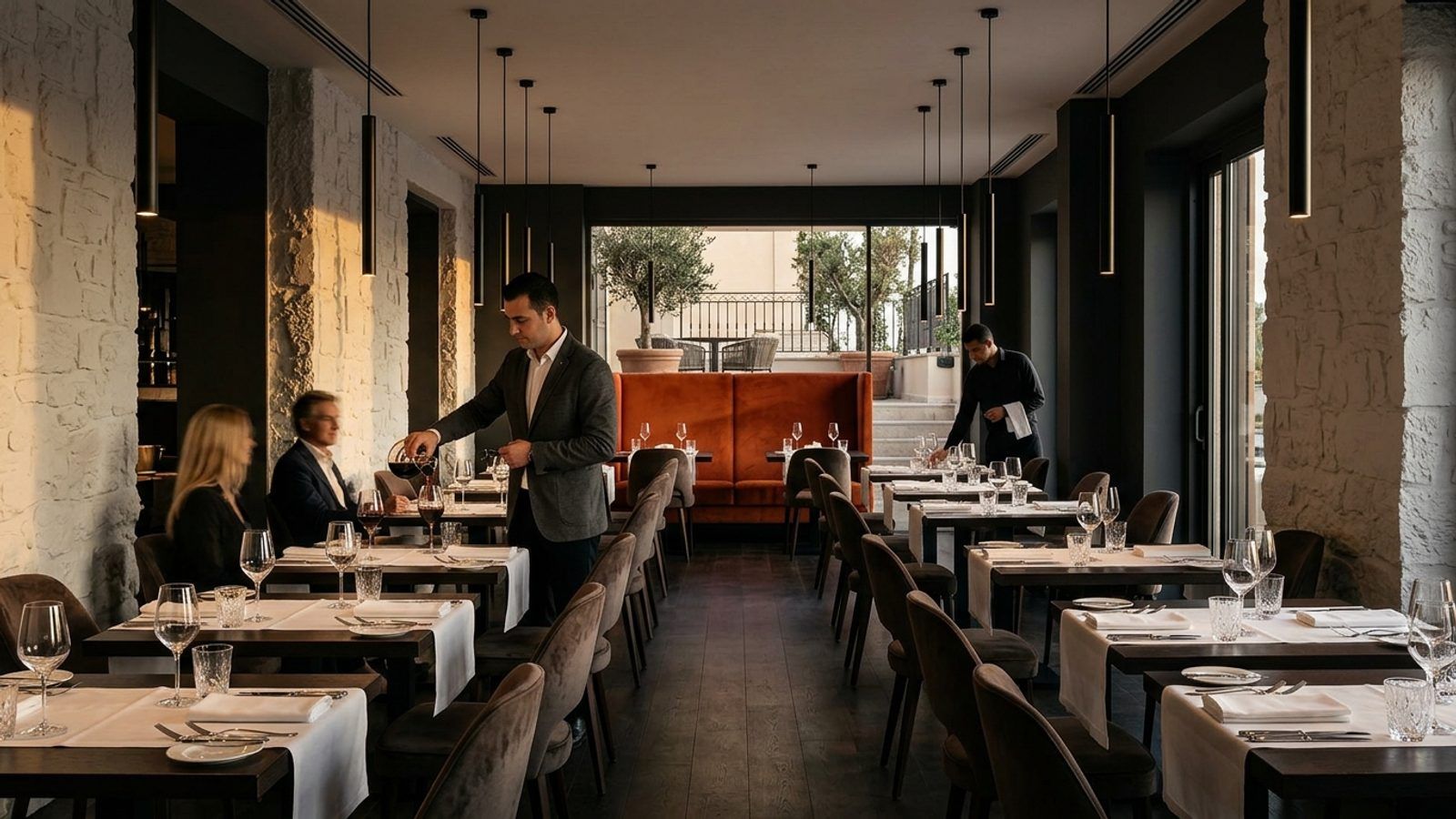
How do you win the last-minute diner this summer?
Summer 2026 diners are booking later than ever. How to capture last-minute restaurant bookings, from same-day tables to spontaneous groups.